
When investing in a home, whether for personal residence or as a real estate asset, one of the critical questions that arise is: how long will the house last? The lifespan of a house is influenced by various factors, including the quality of construction, maintenance practices, environmental conditions, and technological advancements. This comprehensive analysis explores these factors, provides statistical insights, and discusses the possibilities of repairs, renovations, and technological enhancements that can extend a house’s life.
Factors Influencing the Lifespan of a House
The longevity of a house depends on several key factors, ranging from the materials used in construction to the environment in which the house is located.
Quality of Construction
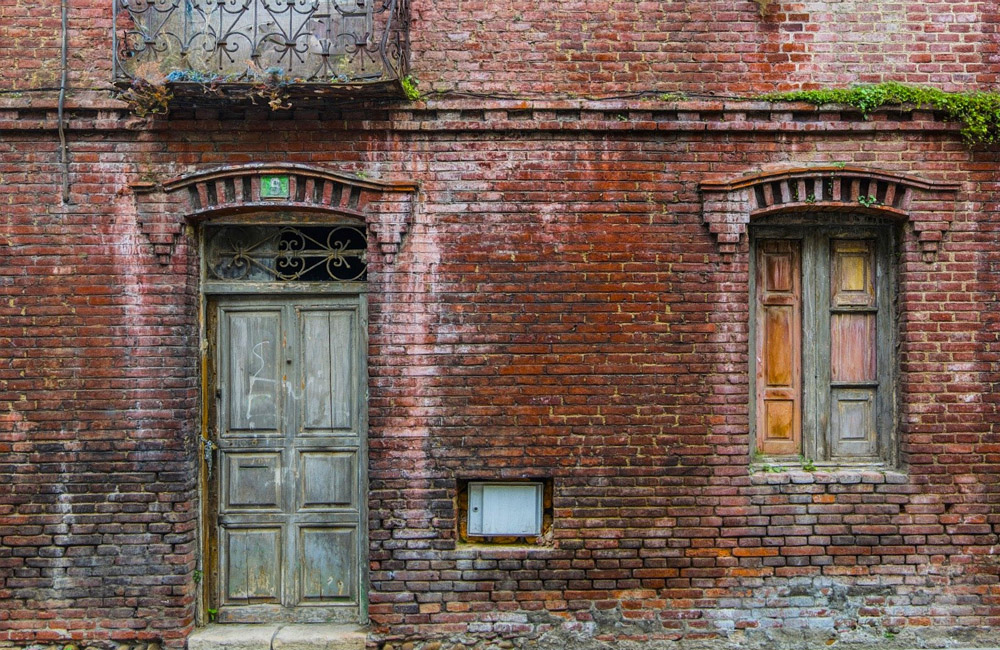
The initial quality of construction plays a pivotal role in determining how long a house will last. Houses built with high-quality materials and skilled craftsmanship tend to have a longer lifespan. For example, homes constructed with brick, stone, or high-grade concrete can last over 100 years with proper maintenance. In contrast, houses built with cheaper materials or substandard construction techniques may require significant repairs within a few decades.
Materials Used
Different building materials have varying lifespans. Here is a breakdown of some common materials and their average longevity:
- Brick and Stone: 100+ years
- Concrete: 50-100 years
- Wood: 30-100 years (depending on the type of wood and maintenance)
- Vinyl Siding: 20-40 years
For instance, a study by the National Association of Home Builders (NAHB) indicates that brick and stone structures can last more than a century, while wood-frame houses typically last between 30 to 50 years, though this can extend significantly with proper care.
Environmental Conditions
The environment in which a house is located greatly impacts its durability. Houses in regions prone to extreme weather conditions, such as hurricanes, earthquakes, or heavy snowfall, often experience more wear and tear. For example, homes in coastal areas are subjected to high humidity and salty air, which can accelerate the deterioration of building materials.
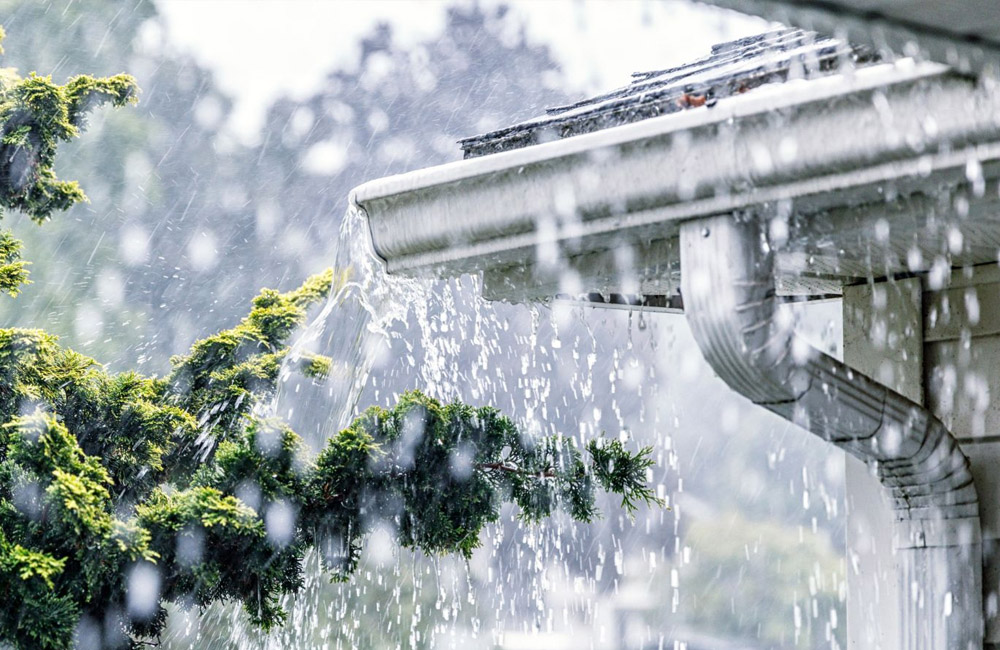
Conversely, homes in temperate climates with moderate weather conditions typically experience less environmental stress. However, even in these areas, factors such as humidity, temperature fluctuations, and exposure to sunlight can affect a house’s longevity.
Maintenance Practices
Regular maintenance is essential to prolonging the life of a house. Routine inspections, timely repairs, and preventive measures can prevent minor issues from escalating into major problems. Common maintenance practices include:
- Roof Inspections and Repairs: Ensuring the roof is free from leaks and damage.
- Foundation Maintenance: Checking for cracks and signs of shifting.
- Plumbing and Electrical Systems: Regularly inspecting for leaks, corrosion, and outdated wiring.
- Exterior Care: Repainting, resealing, and cleaning to protect against weather damage.
According to the American Society of Home Inspectors (ASHI), homes that undergo regular maintenance can have a significantly extended lifespan compared to those that are neglected. For example, a well-maintained roof can last up to 30 years, whereas a neglected one might need replacement within 15 years.
Technological Advancements
The evolution of construction technology has also contributed to the increased lifespan of modern homes. Innovations in building materials, construction techniques, and home systems enhance durability and efficiency. Examples include:
- Energy-Efficient Windows: Reducing wear on HVAC systems and improving insulation.
- Smart Home Technology: Automating maintenance tasks and monitoring home conditions.
- Advanced Insulation Materials: Enhancing thermal efficiency and reducing moisture issues.
Technological advancements also facilitate more effective renovations and repairs, allowing homeowners to update and reinforce older structures with modern solutions. For instance, the use of carbon fiber reinforcement in concrete can significantly extend the life of structural components.
Possibility of Repairs and Renovations
Repairs and renovations play a crucial role in extending the life of a house. By addressing issues promptly and updating aging components, homeowners can significantly prolong their property’s usability and value.
Structural Repairs
Structural repairs are essential for maintaining the integrity of a house. This includes fixing foundation issues, reinforcing beams and joists, and repairing damaged walls. According to a report by the U.S. Census Bureau, structural repairs are among the most common types of home improvement projects, with homeowners spending an average of $3,000 to $5,000 on such repairs annually.
Roof Replacement
Roofs are one of the most critical components of a house, protecting it from the elements. The average lifespan of a roof varies depending on the material:
- Asphalt Shingles: 20-30 years
- Metal Roofs: 40-70 years
- Clay Tiles: 50-100 years
Timely roof replacement or repairs can prevent leaks and water damage, which can compromise the structure and interior of the house.
Plumbing and Electrical Upgrades
Updating plumbing and electrical systems is vital for safety and functionality. Older homes, in particular, may have outdated or hazardous systems that need modernization. For example, replacing old galvanized pipes with copper or PEX can prevent leaks and improve water quality. Similarly, upgrading electrical wiring to meet current codes can reduce the risk of fires and accommodate modern appliances.
Interior and Exterior Renovations
Renovations can also extend a house’s life by updating its appearance and functionality. Common renovation projects include:
- Kitchen and Bathroom Remodeling: Enhancing usability and aesthetics.
- Exterior Siding Replacement: Protecting against weather damage and improving curb appeal.
- Basement and Attic Conversions: Increasing living space and functionality.
These renovations not only improve the house’s durability but also add value and appeal to potential buyers.
Technological Enhancements
Technological advancements continue to revolutionize the construction and maintenance of homes, contributing to their longevity and efficiency.
Smart Home Systems
Smart home technology offers numerous benefits for maintaining and extending the life of a house. Systems that monitor temperature, humidity, and air quality can help prevent issues such as mold growth and structural damage. Additionally, smart security systems can protect the property from theft and vandalism.
Sustainable Building Materials
The use of sustainable and durable building materials is on the rise. These materials not only reduce environmental impact but also enhance the longevity of the house. Examples include:
- Recycled Steel: Used in framing and roofing for its strength and durability.
- Bamboo Flooring: Known for its hardness and resistance to moisture.
- Composite Decking: Made from recycled wood and plastic, offering resistance to rot and insects.
Energy-Efficient Solutions
Energy-efficient solutions contribute to the longevity of home systems and reduce operational costs. Examples include:
- Solar Panels: Providing renewable energy and reducing reliance on grid power.
- Geothermal Heating and Cooling: Offering efficient temperature regulation and reducing wear on HVAC systems.
- LED Lighting: Lowering energy consumption and extending bulb life.
These advancements not only enhance the house’s durability but also promote sustainability and cost savings.
Case Studies and Examples
To illustrate the impact of these factors on a house’s lifespan, consider the following examples:
Historic Homes
Many historic homes, built over a century ago, are still standing today due to their high-quality construction and ongoing maintenance. For example, the Victorian homes in San Francisco, known for their ornate architecture and durable materials, have been meticulously preserved and updated over the years. These homes demonstrate how quality construction and regular maintenance can significantly extend a property’s lifespan.
Modern Eco-Friendly Homes
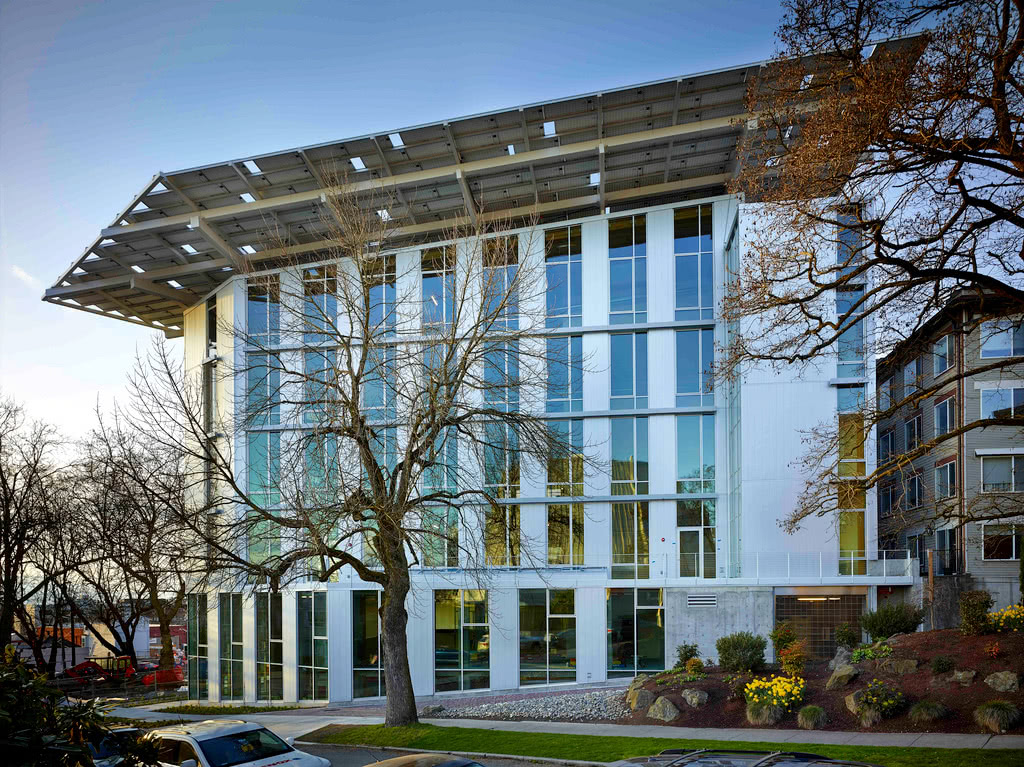
Modern eco-friendly homes, built with sustainable materials and advanced technologies, showcase the potential for long-lasting, energy-efficient living spaces. A notable example is the Bullitt Center in Seattle, considered one of the greenest commercial buildings in the world. Constructed with sustainable materials and equipped with advanced energy systems, this building is designed to last over 250 years, highlighting the benefits of modern construction techniques and materials.
Average American Homes
The typical lifespan of an American home varies widely depending on the factors discussed. According to the NAHB, the average lifespan of a home is about 50-100 years, with many homes requiring significant updates and repairs over time. For instance, a mid-century suburban home may require new roofing, updated electrical and plumbing systems, and interior renovations to remain functional and safe.
In conclusion, the lifespan of a house is influenced by a multitude of factors, including the quality of construction, materials used, environmental conditions, and maintenance practices. Technological advancements and the potential for repairs and renovations further contribute to extending a property’s life. By understanding these factors and investing in regular maintenance and updates, homeowners can ensure their houses remain durable and valuable for generations to come. Whether you are purchasing a new home or maintaining an existing one, these insights provide a comprehensive understanding of what it takes to keep your property in excellent condition for years to come.