
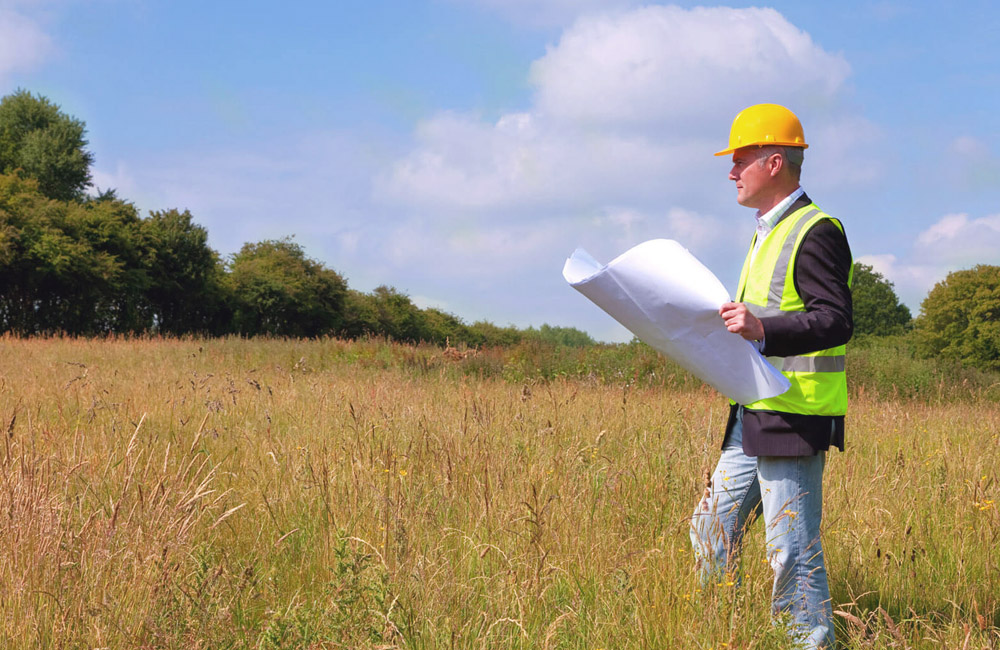
Stepping into the world of land ownership for the first time is both thrilling and daunting. This journey can be a significant milestone, marking your entry into a realm of possibilities, from building a dream home to investing in agricultural or commercial ventures. Yet, the path to owning land is fraught with complexities and considerations that require careful navigation. Here, we delve deep into what awaits you, providing insights and examples to guide you through this exciting venture.
Understanding the Foundations of Land Ownership
Owning land goes beyond the mere possession of a plot. It entails a comprehensive understanding of the types of land, the legal intricacies, and the practical aspects of maintaining and utilizing your property effectively. The first step is recognizing the different categories of land and their specific uses.
Residential land is primarily for building homes and is subject to specific zoning laws that dictate what can be constructed. Commercial land, on the other hand, is intended for businesses, including offices, retail spaces, and industrial facilities. Agricultural land is designated for farming and livestock, often coming with water rights and agricultural subsidies. Recreational land is used for leisure activities such as camping, fishing, and hunting, and usually has fewer development restrictions.
For instance, Jane, a first-time buyer, wanted to invest in agricultural land to start an organic farm. She needed to understand not only the zoning laws but also the water rights associated with the property. This foundational knowledge is crucial as it influences your decision-making process and ensures that your plans align with legal requirements.
Moreover, conducting due diligence is an essential part of the land-buying process. This involves a thorough investigation into the property’s history and current status. A title search is necessary to confirm that the seller has the legal right to sell the property and that there are no liens or disputes. For example, John, another first-time buyer, discovered through a title search that his desired property had a pending legal dispute, which could have complicated his ownership.
A professional land survey is also vital, defining the exact boundaries and identifying any easements, rights-of-way, or encroachments. Environmental assessments can reveal contamination or environmental issues that might affect the land’s value and usability. Understanding these aspects helps you avoid future disputes and ensures that the land is suitable for your intended use.
Financing and the Realities of Land Ownership
Financing a land purchase can be more challenging than securing a traditional home mortgage. Land loans typically require higher down payments and come with shorter terms and higher interest rates. There are different types of land loans to consider, such as raw land loans for undeveloped properties and improved land loans for plots with existing infrastructure.
Consider the case of Mike, who wanted to buy a plot of raw land to build a vacation home. He faced difficulties securing a loan because raw land is considered a riskier investment. Eventually, he opted for owner financing, where the seller allowed him to make monthly payments directly, bypassing the traditional banking system. This flexibility can be a game-changer for first-time buyers who might not have access to conventional financing options.
Construction loans are another option if you plan to build on the land. These loans cover the cost of the land and the construction and convert into a mortgage once the building is complete. This type of loan was perfect for Sarah, who planned to build a custom home. She secured a construction loan that provided funds in stages as the construction progressed, ensuring that she had the necessary capital at each phase of her project.
Owner financing can also be a viable option, where the seller agrees to finance the purchase. This arrangement can be particularly beneficial if you have a good relationship with the seller and can negotiate favorable terms. This method worked well for Lisa, who bought a small commercial plot. The seller, keen to expedite the sale, offered her a financing deal that included a lower interest rate than traditional loans.
Personal savings and loans are suitable for smaller land purchases. If you have substantial savings, you can avoid the complexities of financing altogether. Alex, for instance, used his savings to buy a small plot for recreational use. This approach simplified the process and eliminated the need for loan applications and interest payments.
Challenges and Practical Tips for New Landowners
Owning land comes with its unique set of challenges. Legal disputes over property boundaries, easements, and access rights can arise, making it crucial to conduct thorough title searches and surveys. Environmental concerns, such as contamination, can impact the land’s usability and value. Financing difficulties are also common, given the higher down payments and interest rates associated with land loans.
Zoning restrictions can limit your plans for the land. Always check local zoning regulations to ensure your intended use is permitted. For instance, David planned to start a small winery but discovered that the zoning laws in his area prohibited commercial agriculture. This setback required him to find an alternative plot with suitable zoning laws.
Infrastructure costs, such as connecting utilities and improving access roads, can be substantial. When Mark bought a remote piece of land, he faced high costs to install electricity and water lines. Factoring these expenses into your budget is essential to avoid financial strain later on.
To navigate these challenges, it’s advisable to work with professionals. Real estate agents, lawyers, surveyors, and environmental consultants can provide invaluable guidance. For example, Emily, a first-time landowner, hired a team of professionals to help her through the process. Their expertise ensured that she avoided common pitfalls and made informed decisions.
Understanding your responsibilities as a landowner is also crucial. This includes maintaining the property, paying taxes, and adhering to local regulations. Mike, after purchasing his land, learned that he was responsible for maintaining a section of a private road leading to his property. This unexpected responsibility underscored the importance of thoroughly understanding all aspects of land ownership.
Conclusion
Owning land for the first time is a significant and rewarding experience, offering a range of opportunities for personal and financial growth. By understanding the basics of land ownership, conducting thorough due diligence, exploring various financing options, and preparing for potential challenges, you can make informed decisions and enjoy the benefits of being a landowner. Whether you’re building a dream home, starting a farm, or investing in a valuable asset, the journey to land ownership is filled with possibilities and excitement. As you embark on this venture, remember that the key to success lies in careful planning, professional guidance, and a clear understanding of your goals and responsibilities.