

When it comes to selling your home, setting the right price is both an art and a science. Get it wrong, and you could either leave money on the table or scare away potential buyers. With the housing market constantly in flux, it’s crucial to stay informed and strategic. Let’s delve into the nuances of pricing your home, sprinkled with some interesting statistics, valuable tips, and real-world examples to help you navigate this complex process.
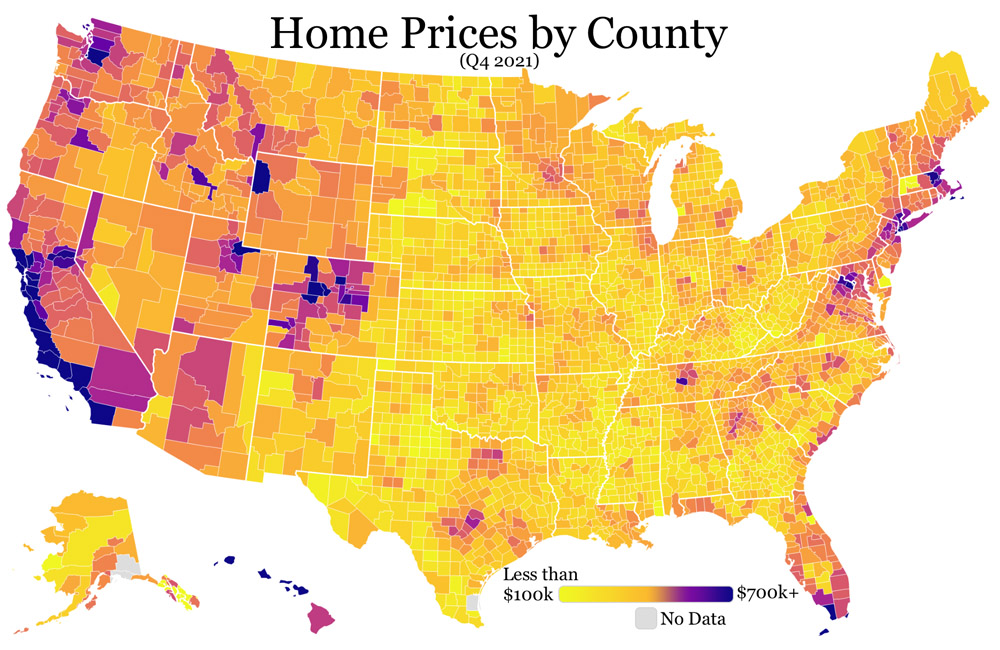
In 2023, the National Association of Realtors reported that the median home price in the United States was approximately $379,000. However, this figure varies dramatically depending on location, market conditions, and the specific features of a home. For instance, a charming three-bedroom house in Austin, Texas might fetch a very different price compared to a similar property in a quieter, rural area of Ohio.
One of the first steps in pricing your home is to understand your local market. Real estate markets are highly localized, meaning trends and prices can vary widely even within the same city. A neighborhood in high demand, close to good schools and amenities, will typically see higher home prices compared to less desirable areas. Therefore, conducting a comparative market analysis (CMA) is essential. This involves looking at recent sales of similar properties in your area, known as comparables or “comps.” By examining homes that are similar in size, condition, and location to yours, you can get a sense of what buyers are willing to pay.
An interesting statistic from Zillow suggests that homes priced correctly from the start sell 50% faster than those that require price reductions. This highlights the importance of hitting the sweet spot with your initial listing price. Overpricing your home can lead to it languishing on the market, which often results in eventual price reductions. Buyers tend to be wary of homes that have been on the market for an extended period, suspecting there might be underlying issues. Conversely, underpricing can lead to a quick sale but at the cost of potential profit.
Let’s consider a real-world example. Imagine you’re selling a well-maintained, three-bedroom house in Denver, Colorado. After conducting a CMA, you find that similar homes in your area have sold for between $450,000 and $500,000. Given the competitive market and desirable location, you might decide to list your home at $475,000. This price is within the range of comparables, suggesting to buyers that it’s a fair deal. Moreover, it leaves a little wiggle room for negotiation, which is often expected in real estate transactions.
Another crucial aspect to consider is the condition of your home. According to the Remodeling Impact Report by the National Association of Realtors, certain home improvements can significantly boost your home’s value. For example, a minor kitchen remodel has an estimated return on investment (ROI) of 81%, while a new roof can recoup about 107% of its cost. Investing in such upgrades can justify a higher asking price and attract more buyers.
Staging is another powerful tool in your pricing strategy. The Real Estate Staging Association found that staged homes sell 73% faster than non-staged homes. By creating an appealing, move-in-ready atmosphere, you can enhance your home’s perceived value. Simple steps like decluttering, applying a fresh coat of paint, and arranging furniture to maximize space can make a significant difference.
Emotional attachment to your home can also cloud your judgment when setting a price. It’s essential to approach the process objectively, relying on data and professional advice rather than personal feelings. Hiring a reputable real estate agent can provide valuable insights and help you navigate the complexities of the market. An agent’s experience and access to a broader range of data can be instrumental in setting a competitive and realistic price.
Lastly, be prepared to adjust your pricing strategy if necessary. The housing market is dynamic, and factors such as economic conditions, interest rates, and seasonal trends can impact buyer behavior. Regularly reviewing market activity and being flexible with your pricing can help you stay competitive.
In conclusion, pricing your home is a delicate balance of research, strategy, and a bit of intuition. By understanding your local market, considering your home’s condition and improvements, and staying objective, you can set a price that attracts buyers and maximizes your return. Remember, the goal is not just to sell your home, but to sell it at the best possible price in the shortest amount of time. Happy selling!