
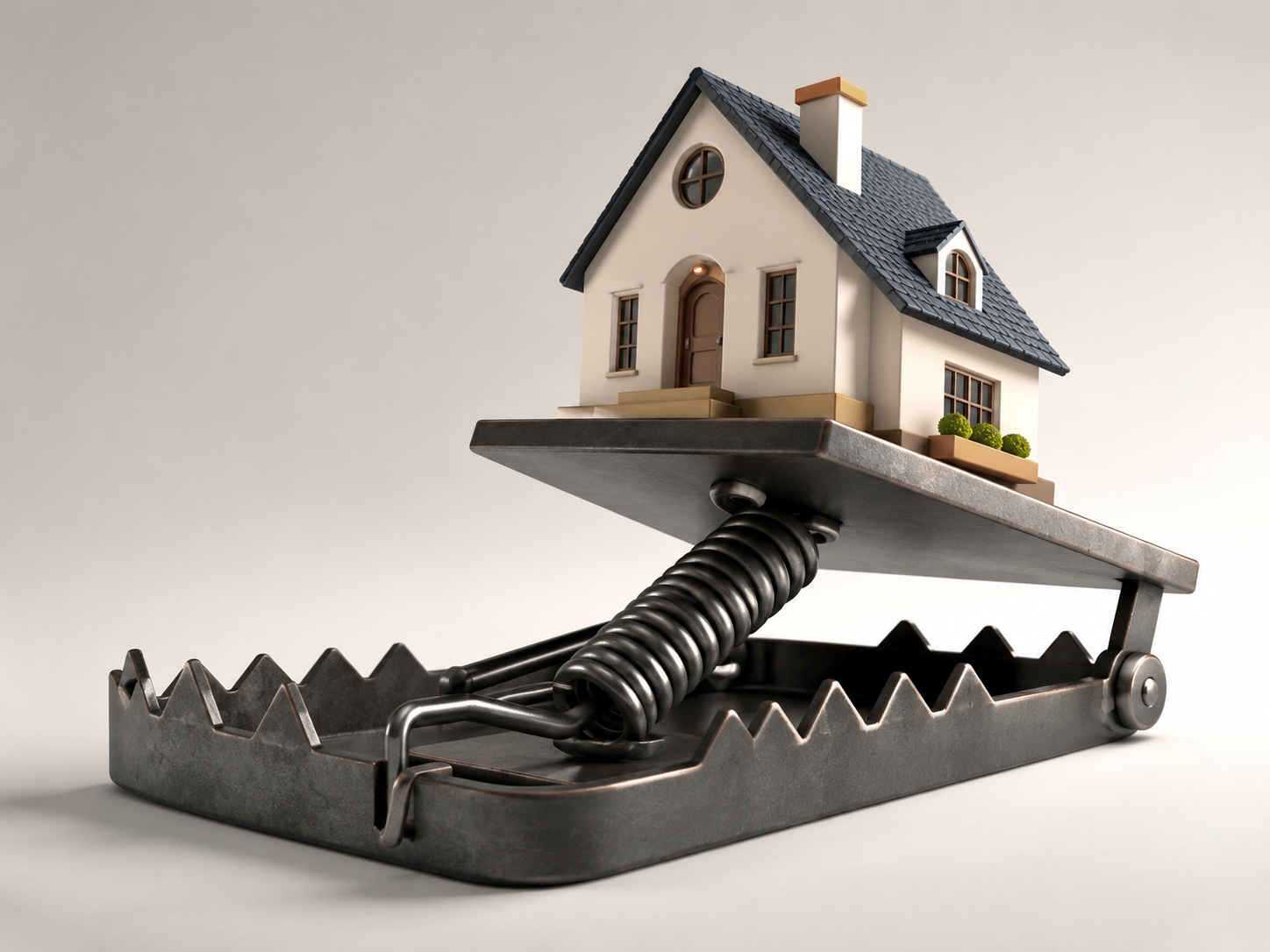
The real estate market, a dynamic sector teeming with opportunities, is also a fertile ground for various forms of fraud. In 2024, scammers have become increasingly sophisticated, leveraging advanced technology and exploiting vulnerabilities to dupe unsuspecting buyers, sellers, and investors. Understanding these scams is crucial to protecting yourself and your investments. Here, we explore the eight most common real estate scams in 2024, providing detailed insights and practical advice to help you stay vigilant.
1. Phishing Scams
Phishing scams are one of the most pervasive threats in the real estate market today. Scammers often pose as legitimate entities, such as real estate agents, title companies, or financial institutions, to steal sensitive information. They send emails or text messages that appear genuine, tricking recipients into providing login credentials, bank details, or other personal information.
For instance, a scammer might send an email mimicking a title company, requesting confirmation of a bank account for a wire transfer. The email looks legitimate, complete with company logos and official-looking email addresses, but the provided link directs to a fake website designed to capture your information.
Protect Yourself:
- Verify the sender’s email address carefully.
- Contact the purported sender directly using verified contact details.
- Avoid clicking on suspicious links and always use secure connections when accessing sensitive information.
2. Wire Fraud
Wire fraud in real estate is alarmingly sophisticated. Hackers infiltrate the email accounts of real estate agents or title companies, monitoring communications between buyers and these professionals. When it’s time to transfer funds, the hackers send a fraudulent email that looks identical to previous legitimate communications, instructing the buyer to wire funds to a different, scammer-controlled account.
This scam can result in devastating financial losses. For example, a homebuyer might transfer hundreds of thousands of dollars to what they believe is the title company, only to find out later that the funds were sent to a criminal.
Protect Yourself:
- Always verify wire transfer instructions in person or over a verified phone number.
- Use secure communication channels for sensitive information.
- Double-check account details before initiating a wire transfer.
3. Rental Scams
Rental scams are increasingly common, especially in competitive housing markets. Scammers post fake rental listings on legitimate websites, advertising properties at attractive prices. When interested renters contact them, the scammers demand a deposit or application fee upfront, often claiming that the property is in high demand.
The renter sends the money, expecting to secure the property, but the scammer disappears, and the property either doesn’t exist or is not available for rent. For example, a student looking for affordable housing near a university might fall victim to this scam, losing both money and time.
Protect Yourself:
- Never send money before seeing the property in person.
- Be wary of deals that seem too good to be true.
- Verify the identity and legitimacy of the landlord or property management company.
4. Title Fraud
Title fraud occurs when a scammer steals the identity of a homeowner and uses it to transfer the property into their own name. They can then sell the property or take out loans against it, leaving the legitimate owner with legal battles and financial losses.
This scam often targets vacant properties, rental homes, or properties owned by elderly individuals who might not regularly check on their property records. For instance, an elderly homeowner might discover that their home has been fraudulently sold when they receive foreclosure notices for loans they never took out.
Protect Yourself:
- Regularly check property records for any unauthorized changes.
- Secure your personal information and monitor for signs of identity theft.
- Consider title insurance that covers fraud.
5. Bait-and-Switch Schemes
In a bait-and-switch scheme, scammers advertise a property at an attractive price to lure buyers. When a prospective buyer expresses interest, the scammer claims the property is no longer available but offers a different, often less desirable, property at a higher price.
For example, a family looking for a new home might be enticed by an advertised property that perfectly fits their needs and budget. Upon contacting the agent, they are pressured into considering another, more expensive option, often under the guise of urgency or high demand.
Protect Yourself:
- Be wary of properties that seem significantly underpriced.
- Insist on viewing the advertised property before considering alternatives.
- Do not succumb to pressure tactics; take your time to make informed decisions.
6. Foreclosure Relief Scams
Foreclosure relief scams prey on homeowners struggling to keep up with mortgage payments. Scammers promise to negotiate with the lender on the homeowner’s behalf in exchange for an upfront fee. They might also advise the homeowner to transfer the property title or make mortgage payments directly to them.
Once the scammer has the money, they disappear, and the homeowner is left with even more debt and the imminent risk of foreclosure. For instance, a homeowner facing foreclosure might be duped into paying thousands of dollars for a service that never materializes.
Protect Yourself:
- Research any company offering foreclosure relief services.
- Avoid paying upfront fees for loan modification or foreclosure prevention services.
- Consult with your lender or a HUD-approved housing counselor directly.
7. Fake Real Estate Agents
Fake real estate agents create elaborate schemes to pose as legitimate professionals. They might set up fake websites, produce counterfeit business cards, and even rent office spaces to appear credible. These scammers target both buyers and sellers, gaining access to personal information and financial details, or outright stealing deposits and fees.
For example, a seller might engage with a fake agent who promises to sell their property quickly for a high price. After paying upfront marketing fees or commissions, the seller finds out that the agent was a fraud, and their money is gone.
Protect Yourself:
- Verify the agent’s license with your state’s real estate commission.
- Check for reviews and references from previous clients.
- Be cautious of agents requesting upfront fees for services.
8. Home Improvement Scams
Home improvement scams often target new homeowners or those looking to sell their property. Scammers pose as contractors offering services at discounted rates, insisting on full payment upfront. Once the payment is made, they either perform shoddy work or disappear altogether, leaving the homeowner with unfinished projects and financial loss.
For instance, a homeowner planning to renovate their kitchen might hire a contractor based on a low bid. After paying for materials and labor upfront, the contractor completes only a fraction of the work or vanishes entirely.
Protect Yourself:
- Get multiple quotes and verify contractor credentials.
- Avoid paying the full amount upfront; negotiate a payment schedule.
- Check references and review past work.
Conclusion
The real estate market in 2024 continues to evolve, and so do the methods of those looking to exploit it. By staying informed about these common scams and implementing protective measures, buyers, sellers, and investors can safeguard their transactions. Whether it’s verifying email addresses to avoid phishing scams, double-checking wire transfer instructions, or ensuring the legitimacy of rental listings, vigilance and due diligence are key. As technology advances, so too must our awareness and preparedness to counteract these sophisticated fraud schemes. By doing so, we can navigate the real estate market with confidence and security.