
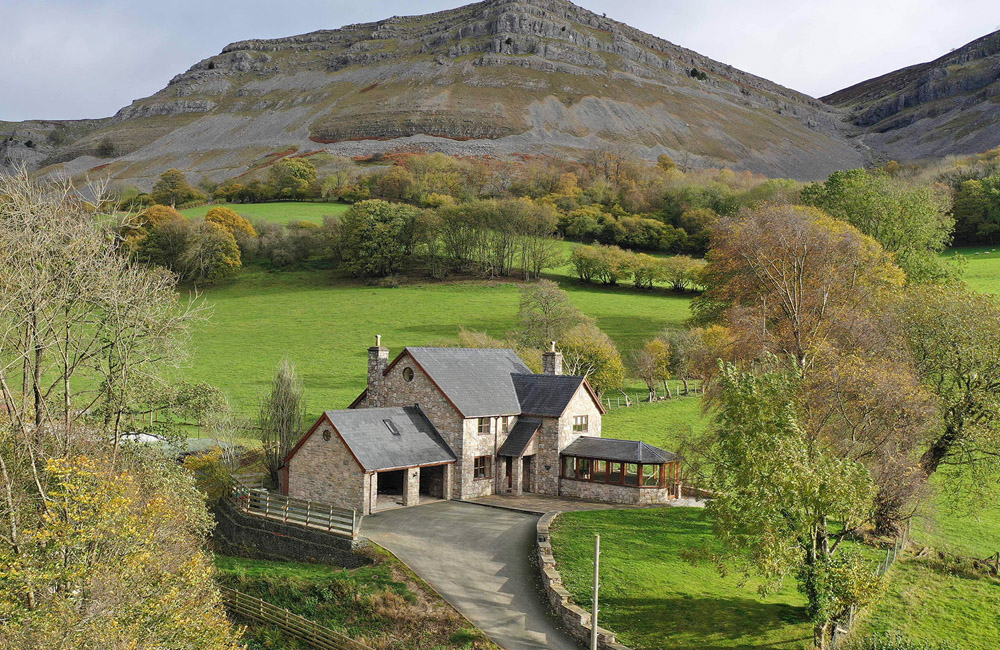
Buying a house in the countryside is a dream for many. The allure of wide-open spaces, fresh air, and a slower pace of life can be incredibly appealing, especially if you’re used to the hustle and bustle of city living. But taking the plunge into rural real estate is a significant step that comes with its own set of challenges and considerations. Let me walk you through some key points to keep in mind, sharing a bit from my own experiences along the way.
Embracing the Rural Lifestyle
First and foremost, understand that living in the countryside is vastly different from urban life. It’s not just about the beautiful views and peace and quiet; it’s about embracing a lifestyle that may require some adjustments.
When I bought my first countryside home, I was enchanted by the idea of having more space and being closer to nature. But I quickly realized that this lifestyle also meant longer drives to grocery stores, fewer dining options, and a sense of isolation at times. It’s important to visit the area multiple times, at different times of the day and week, to get a real feel for the place. Talk to the locals, visit the local amenities, and see if you can picture yourself living there day-to-day.
Infrastructure and Accessibility
One of the biggest surprises for many new rural homeowners is the difference in infrastructure. Unlike urban areas, where public services are readily available, rural properties might not have the same level of access.
Check the condition of the roads leading to your potential new home. Some rural properties are accessed by unpaved roads that can become impassable in bad weather. It’s also wise to consider the distance to the nearest town or city, especially if you need to commute for work or school.
Additionally, check the availability and reliability of utilities. Some rural homes may rely on well water and septic systems instead of municipal water and sewage. Ensure that these systems are in good working order and understand their maintenance requirements. Also, check the availability of high-speed internet, as this can be limited in some rural areas. In my case, I had to invest in a satellite internet service, which was slower and more expensive than what I was used to in the city.
Land and Property Size
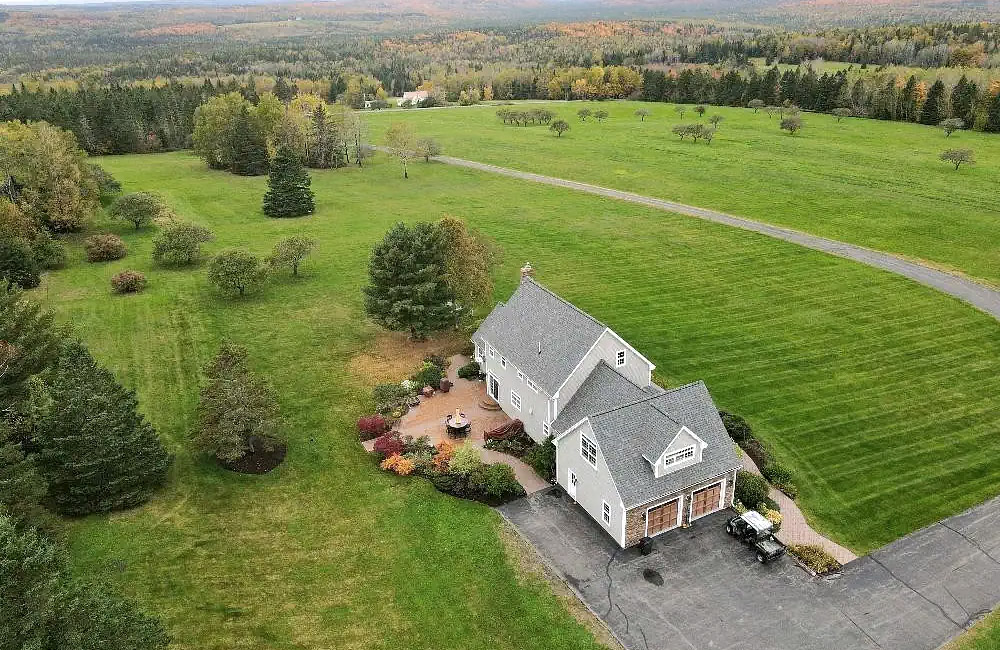
The size of rural properties can be both a blessing and a curse. More land means more privacy and room for activities like gardening, raising animals, or just enjoying the outdoors. However, it also means more maintenance.
When I first moved to my countryside home, the sheer amount of land was overwhelming. Mowing the lawn became a day-long chore, and maintaining the garden took up much of my weekends. If you’re not prepared for this level of upkeep, consider hiring local help or looking for properties with less land.
Also, pay attention to land use regulations and zoning laws. These can vary significantly from one rural area to another and can affect what you can do with your property. For example, if you plan to raise livestock or build additional structures, you’ll need to ensure that local regulations permit these activities.
Environmental Considerations
Living closer to nature is wonderful, but it comes with environmental considerations you might not have thought about. Look into the local wildlife and potential issues they might cause. In some areas, deer can be a problem for gardeners, while in others, bears might pose a threat to your trash cans.
Natural disasters are another critical consideration. Find out if the area is prone to flooding, wildfires, or other natural events. When I bought my house, I didn’t realize it was in a floodplain until after the first heavy rainstorm. Understanding the risks and investing in the appropriate insurance is essential.
Home Inspection
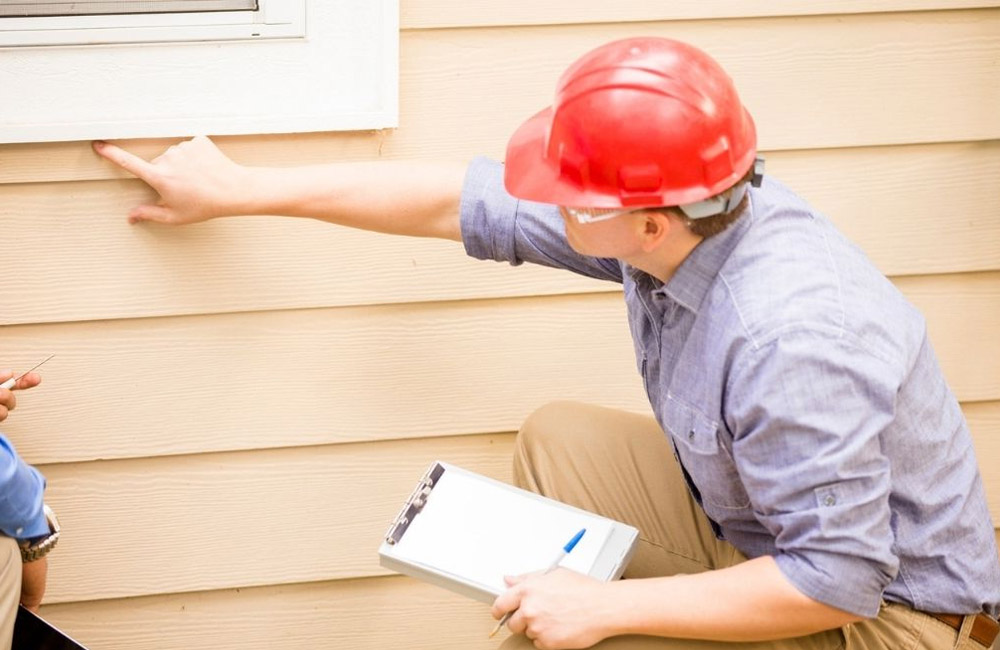
Never underestimate the importance of a thorough home inspection. Rural homes can have unique issues that aren’t as common in urban properties. Make sure to hire an inspector who has experience with rural homes. They’ll check things like the integrity of outbuildings, the condition of the well and septic system, and look for signs of pests that are common in rural areas.
In my case, the home inspection revealed several issues with the septic system that I wouldn’t have known about otherwise. It gave me the leverage to negotiate a better price and the opportunity to fix the problems before they became serious.
Community and Social Life
One of the charms of rural living is the close-knit community. However, it’s also important to understand that social life in the countryside can be quite different from the city. Community events might be fewer and farther between, and you might need to make more of an effort to get to know your neighbors.
Before buying, try to engage with the local community. Attend a local event or visit the town center to see if the social environment is something you’d enjoy. Some people find the slower pace and tight-knit community appealing, while others might miss the vibrancy and diversity of urban life.
Future Development
Consider the future development plans for the area. Rural areas can change rapidly, and what’s a quiet, secluded property today might not remain so. Check with local planning authorities to see if there are any major developments planned that could affect your enjoyment of the property.
In my experience, a large commercial development was proposed shortly after I moved in, which could have significantly altered the character of the area. Staying informed about such developments can help you make a more informed decision.
Financial Considerations
Lastly, consider the financial aspects. Rural properties can be more affordable than their urban counterparts, but they can also come with unexpected costs. Factor in the cost of commuting, higher utility costs for off-grid systems, and potential maintenance for larger properties.
Additionally, getting a mortgage for a rural property can sometimes be more complicated. Some lenders are wary of properties with large amounts of land or those that are off the beaten path. Make sure you have your financing in place before you start seriously looking.
Conclusion
Buying your first home in the countryside is a significant and exciting step, but it comes with its own set of challenges and considerations. From understanding the local lifestyle and infrastructure to considering environmental factors and future development, there’s a lot to think about. However, with careful planning and a bit of flexibility, you can find a rural property that meets your needs and enhances your quality of life. Embrace the journey, and enjoy the process of finding your perfect countryside home.