
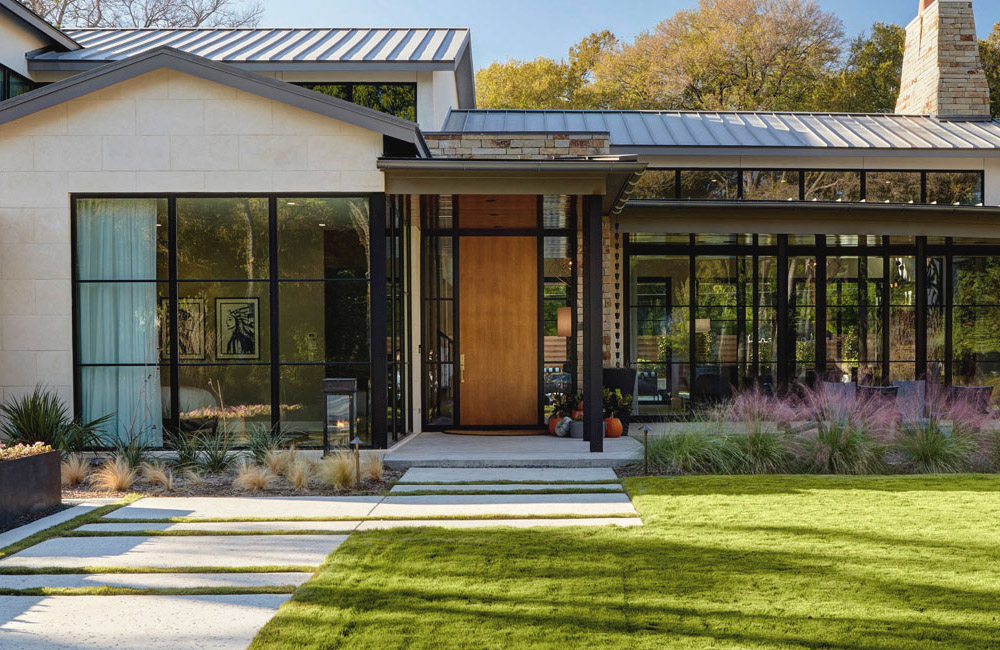
The world of home construction is constantly evolving, driven by new technologies, changing consumer preferences, and a growing emphasis on sustainability. Whether you’re planning to build a new home or simply curious about the latest developments, staying informed about current trends can provide valuable insights. In this article, we’ll explore some of the most significant trends in new home construction, highlighting advancements in design, technology, and environmental consciousness.
Sustainable and Eco-Friendly Building Practices
One of the most significant trends in new home construction is the shift towards sustainable and eco-friendly building practices. As awareness of climate change and environmental issues grows, more homebuilders and buyers are prioritizing sustainability. This trend is reflected in the increasing use of eco-friendly materials, energy-efficient designs, and renewable energy sources.
Builders are now using materials like reclaimed wood, bamboo, and recycled steel, which have a lower environmental impact than traditional building materials. Additionally, energy-efficient designs that reduce a home’s carbon footprint are becoming standard. Features such as high-efficiency windows, advanced insulation, and energy-efficient HVAC systems are now common in new homes. Many new homes are also being designed to accommodate renewable energy sources, such as solar panels and wind turbines, allowing homeowners to reduce their reliance on fossil fuels.
Smart Home Technology
Smart home technology is another major trend shaping the future of new home construction. The integration of advanced technology into homes provides convenience, security, and energy efficiency. Smart homes are equipped with devices and systems that can be controlled remotely through smartphones or voice commands, offering homeowners greater control over their living environment.
Common smart home features include automated lighting, smart thermostats, and security systems with cameras and motion sensors. These technologies not only enhance convenience but also contribute to energy savings by optimizing the use of lighting and heating. Additionally, smart appliances, such as refrigerators and washing machines, are becoming increasingly popular, allowing homeowners to manage their household tasks more efficiently.
Open Floor Plans and Flexible Spaces
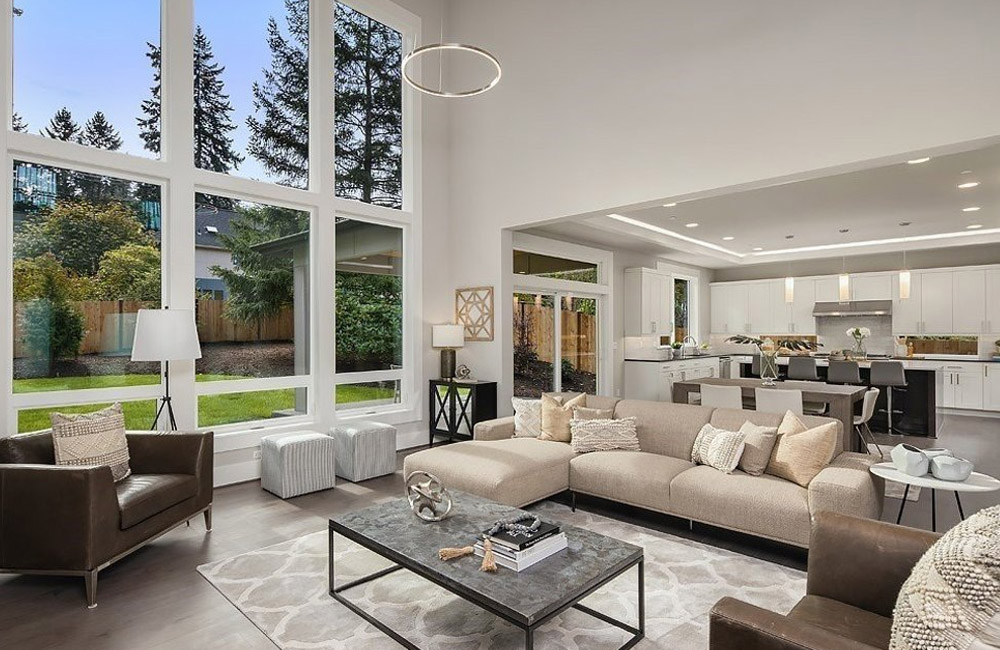
Open floor plans have been a popular design choice for several years, and this trend shows no signs of waning. The appeal of open floor plans lies in their ability to create a sense of spaciousness and facilitate better flow between different areas of the home. By eliminating walls that traditionally separate living, dining, and kitchen areas, open floor plans promote a more connected and sociable living environment.
In addition to open floor plans, there is a growing demand for flexible spaces within homes. As more people work from home or engage in remote learning, the need for adaptable spaces that can serve multiple functions has increased. Homebuilders are responding by designing rooms that can easily transition from home offices to guest bedrooms or playrooms, offering greater versatility to homeowners.
Outdoor Living Spaces
The trend of enhancing outdoor living spaces has gained significant momentum in recent years. Homeowners are increasingly looking to extend their living areas beyond the interior of their homes, creating functional and inviting outdoor spaces. This trend is driven by a desire to connect with nature and create additional areas for relaxation and entertainment.
Popular outdoor living features include patios, decks, and outdoor kitchens, complete with cooking and dining areas. Fire pits, pergolas, and landscaped gardens also add to the appeal of outdoor spaces, making them more comfortable and enjoyable. The integration of outdoor living areas with the interior of the home, often through large sliding glass doors or retractable walls, further enhances the sense of continuity between indoor and outdoor spaces.
Health and Wellness Features
Health and wellness have become a significant focus in new home construction, influenced by the recent pandemic and a growing awareness of the importance of a healthy living environment. Builders are incorporating features that promote physical and mental well-being, creating homes that support a healthier lifestyle.
Key wellness features include improved air quality systems, such as advanced HVAC systems with HEPA filters and ventilation systems that bring in fresh air from the outside. Homes are also being designed with more natural light, using larger windows and skylights to enhance mood and well-being. Additionally, spaces for exercise and relaxation, such as home gyms and meditation rooms, are becoming more common, reflecting the increasing importance of health and wellness in home design.
Prefabrication and Modular Construction
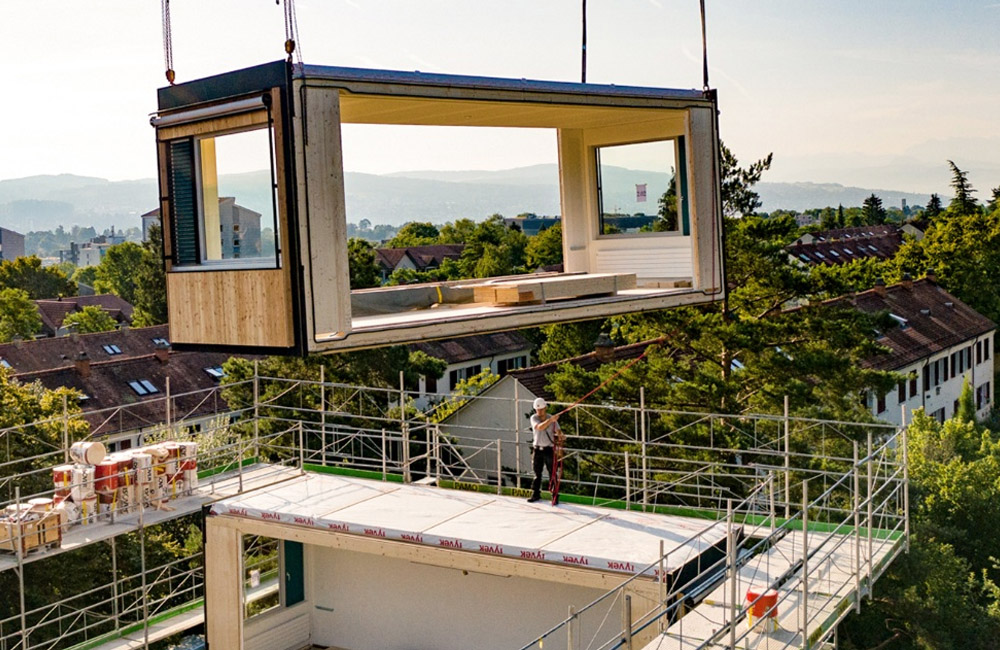
Prefabrication and modular construction are innovative building methods that are gaining popularity in the home construction industry. These methods involve constructing sections of a home in a factory setting and then assembling them on-site. This approach offers several advantages, including reduced construction time, cost savings, and improved quality control.
Prefabricated and modular homes are built to precise specifications in a controlled environment, minimizing the risk of delays and defects. This method also reduces waste and environmental impact, as materials are used more efficiently. Additionally, the speed of construction allows homeowners to move into their new homes more quickly, making it an attractive option for those looking to minimize the disruption of a lengthy building process.
Minimalist and Modern Design
Minimalist and modern design aesthetics continue to influence new home construction, with clean lines, simple forms, and a focus on functionality. This design philosophy emphasizes the use of space, light, and materials to create uncluttered, efficient living environments.
Modern homes often feature large windows, open spaces, and a neutral color palette, creating a sense of calm and simplicity. The use of natural materials, such as wood, stone, and metal, adds warmth and texture to these minimalist designs. Additionally, modern homes often incorporate sustainable and energy-efficient features, aligning with the broader trend towards eco-friendly living.
Conclusion
The latest trends in new home construction reflect a growing emphasis on sustainability, technology, flexibility, and wellness. As builders and homeowners continue to prioritize these factors, the homes of the future will be more eco-friendly, technologically advanced, and adaptable to changing needs. By staying informed about these trends, prospective homeowners can make better decisions and create living spaces that are not only beautiful and functional but also aligned with their values and lifestyles. Whether you’re planning to build a new home or simply interested in the latest developments, these trends offer a glimpse into the exciting future of residential construction.