
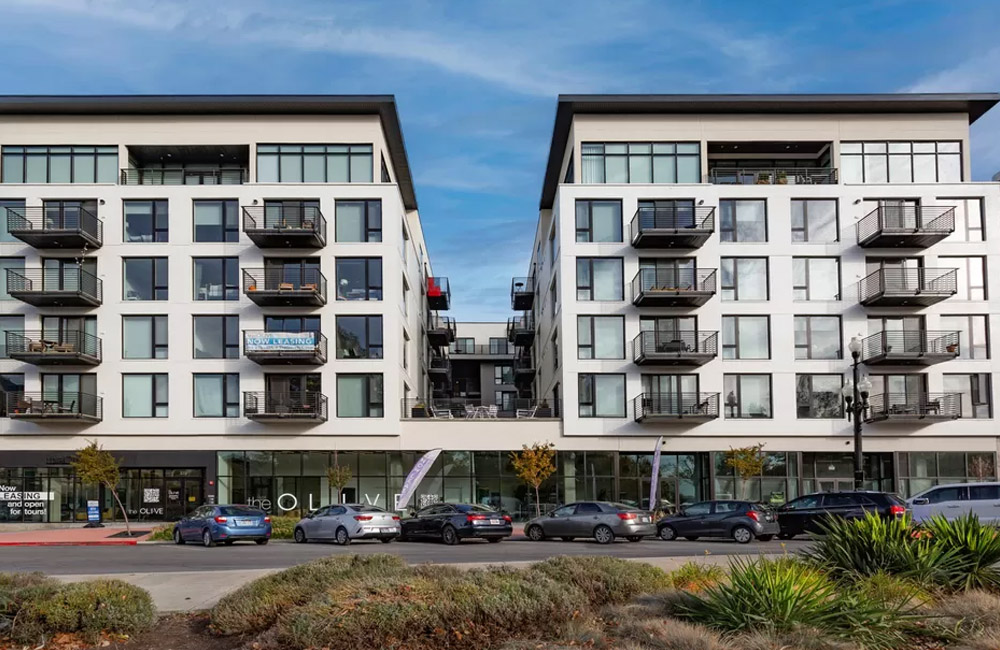
In today’s competitive rental market, finding affordable housing can feel like searching for a needle in a haystack. Whether you’re a student, a young professional, or a family looking to cut costs, securing a budget-friendly rental that meets your needs is crucial. This guide aims to provide you with practical tips and insights on how to find affordable rentals, highlighting strategies that can save you money and help you find the perfect place without breaking the bank.
Start with a Clear Budget
Before you begin your search, it’s essential to establish a clear budget. Knowing how much you can comfortably afford each month will help narrow down your options and prevent you from overspending. A good rule of thumb is to allocate no more than 30% of your monthly income to rent. This ensures you have enough left over for other expenses, such as utilities, groceries, and savings.
To create an accurate budget, list all your monthly expenses and subtract them from your income. This will give you a clear picture of how much you can allocate toward rent. Remember to include costs like internet, transportation, and any other regular payments in your calculations.
Explore Different Neighborhoods
Location plays a significant role in rental prices. While living in the heart of the city might be appealing, it often comes with a higher price tag. Consider exploring neighborhoods that are a bit further from the city center. These areas can offer more affordable rental options while still providing convenient access to amenities and public transportation.
Take the time to research various neighborhoods and their average rental prices. Look for up-and-coming areas that are gaining popularity but haven’t yet seen a spike in rental costs. Visiting these neighborhoods in person can also give you a better feel for the community and whether it meets your needs.
Utilize Online Rental Platforms
The internet is a powerful tool for finding affordable rentals. Numerous websites and apps specialize in listing rental properties, allowing you to filter your search based on your budget, preferred location, and specific needs. Websites like Zillow, Apartments.com, and Craigslist are excellent starting points.
When using these platforms, take advantage of the search filters to narrow down your options. Set your maximum rent limit, choose the number of bedrooms and bathrooms you need, and specify any other must-have features. This can save you time and help you find properties that fit your criteria.
Additionally, consider setting up alerts on these platforms. This way, you’ll be notified as soon as new listings that match your preferences become available, giving you a head start on the competition.
Look for Rental Discounts and Incentives
Landlords and property managers sometimes offer discounts and incentives to attract tenants. These can include reduced rent for signing a longer lease, the first month free, or discounted rates for referrals. Keep an eye out for these deals when searching for rentals.
When negotiating with landlords, don’t be afraid to ask if they offer any incentives. Highlight your strengths as a tenant, such as a stable income, good credit score, and positive references. This can make you a more attractive candidate and increase your chances of securing a better deal.
Consider Shared Housing
Shared housing can be an excellent way to reduce rental costs. Renting a room in a shared apartment or house can be significantly cheaper than renting an entire unit on your own. This option is especially popular among students and young professionals.
If you’re open to the idea of shared housing, start by looking for listings that specify shared accommodations. Websites like Roommates.com and Roomster can help you find potential roommates and shared housing opportunities. When considering a shared living arrangement, make sure to meet potential roommates in person (or virtually) to ensure compatibility and discuss house rules and expectations upfront.
Negotiate Lease Terms
Don’t be afraid to negotiate the terms of your lease with potential landlords. In some cases, landlords may be willing to lower the rent if you sign a longer lease or agree to certain conditions. Negotiating can also involve discussing the inclusion of utilities, maintenance responsibilities, or other perks.
Approach negotiations with a clear understanding of your budget and be prepared to compromise. Highlight your reliability as a tenant and any factors that make you a strong candidate, such as steady employment or a good rental history. Polite and respectful negotiation can often lead to more favorable terms.
Check Local Listings and Community Boards
Local listings and community boards can be valuable resources for finding affordable rentals. Many landlords prefer to list their properties locally rather than on national websites. Check bulletin boards at local grocery stores, coffee shops, and community centers for rental listings.
Local newspapers and community websites can also have rental listings that might not be available elsewhere. These sources can sometimes offer more budget-friendly options, as they cater to local residents rather than a broader audience.
Consider Off-Season Renting
Timing can impact rental prices significantly. Renting during the off-season, typically in the winter months, can result in lower rental rates. Fewer people move during this time, leading to less competition and more negotiable prices.
If your schedule allows, plan your move for the off-season. Landlords with vacant units during this time may be more willing to lower the rent to secure a tenant quickly. This strategy can save you money and give you more leverage during negotiations.
Look for Sublets and Short-Term Rentals
Subletting or short-term rentals can be a cost-effective way to find temporary housing at a lower rate. People who need to move out before their lease ends often sublet their apartments at reduced prices. This can be an excellent opportunity to find affordable accommodations without committing to a long-term lease.
Websites like Sublet.com and Airbnb can help you find sublet and short-term rental options. When considering a sublet, make sure to clarify the terms of the arrangement and understand your rights as a subtenant. Verify that the primary tenant has permission from the landlord to sublet the unit to avoid any legal complications.
Explore Alternative Housing Options
In addition to traditional rentals, consider alternative housing options that can be more affordable. These can include basement apartments, granny flats, or converted garages. These types of accommodations are often less expensive than standard apartments or houses.
Tiny homes and modular homes are also gaining popularity as affordable housing solutions. These homes are typically smaller but can be customized to meet your needs. Research local zoning laws and regulations to determine if these options are available in your area.
When considering alternative housing, weigh the pros and cons carefully. Ensure that the unit meets your living standards and that the cost savings justify any potential trade-offs in space or amenities.
Securing affordable rentals requires a combination of strategic planning, thorough research, and flexibility. By setting a clear budget, exploring different neighborhoods, utilizing online rental platforms, and considering shared housing, you can increase your chances of finding a budget-friendly rental that meets your needs. Don’t hesitate to negotiate lease terms, look for rental discounts, and explore alternative housing options. With patience and persistence, you can find an affordable rental that provides a comfortable and satisfying living experience.