
Buying a home is a significant investment, and location plays a crucial role in determining its value. One important factor that can influence property value is proximity to various types of roads. Roads can enhance accessibility and convenience but can also introduce noise and traffic, affecting desirability. In this article, we will explore how different types of roads impact real estate values, providing a comprehensive understanding for prospective buyers and real estate investors.
Highways and Freeways
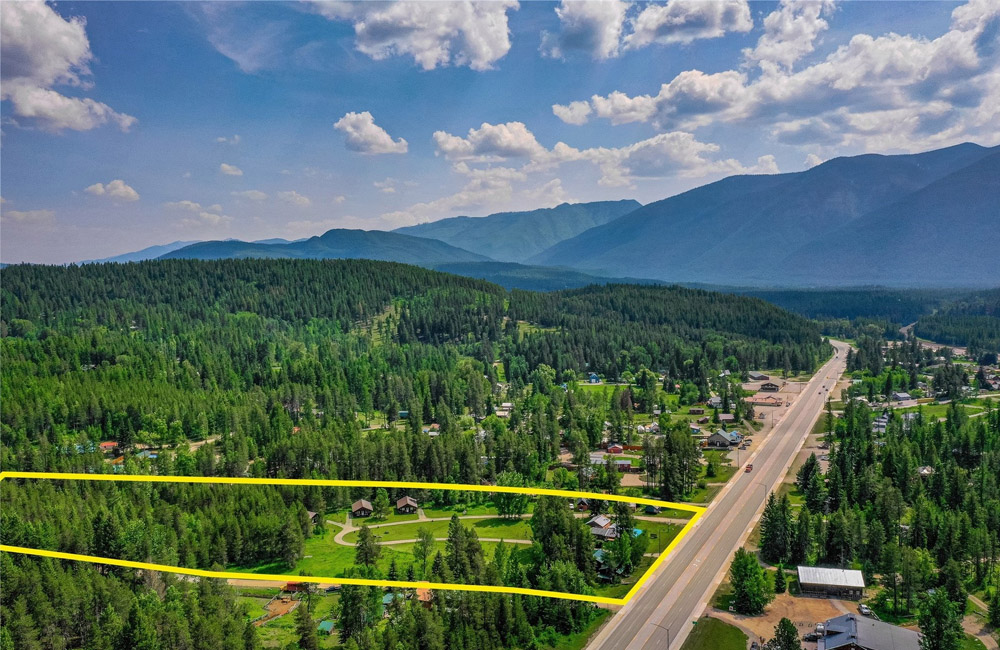
Highways and freeways are major thoroughfares designed for high-speed travel over long distances. They are crucial for regional connectivity but can significantly impact nearby residential properties.
Impact on Property Value
Properties located close to highways often experience noise pollution from constant traffic. This noise can be a significant deterrent for potential buyers looking for a peaceful living environment. Additionally, highways can bring increased air pollution, which further diminishes the appeal of nearby properties.
However, there are also benefits to being near a highway. Easy access to major roads can be a selling point for some buyers, especially those who commute long distances for work. Properties that are a short drive from a highway but not directly adjacent to it can strike a balance, offering convenience without the drawbacks of noise and pollution.
Example
Consider a suburban neighborhood where homes are located within half a mile of a major freeway. Houses directly adjacent to the freeway may sell for 10-20% less than similar homes located further away due to the noise and pollution. Conversely, homes that are a bit further but still within easy access of the freeway might see a slight premium due to the convenience factor.
Major Arterial Roads
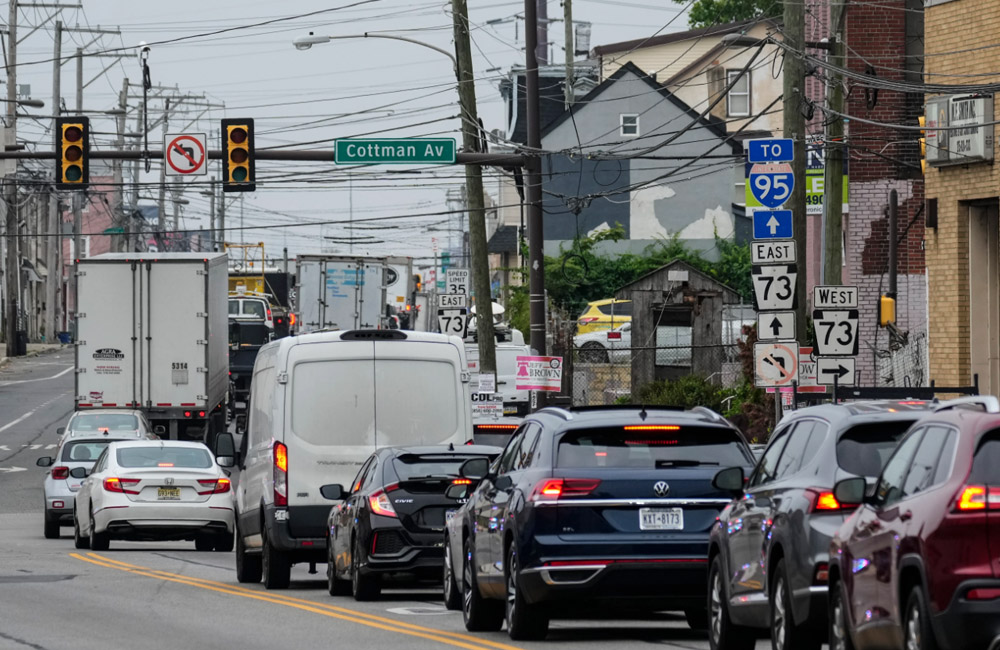
Major arterial roads are high-capacity urban roads that deliver traffic from collector roads to freeways and between urban centers. These roads are essential for the urban flow of traffic and often feature multiple lanes, traffic signals, and commercial establishments.
Impact on Property Value
Proximity to major arterial roads can be a double-edged sword. On the positive side, these roads provide easy access to amenities such as shops, restaurants, and public services. This convenience can be highly attractive to buyers who value accessibility.
On the downside, major arterial roads can be busy and noisy, especially during peak traffic hours. This can detract from the residential appeal of properties located too close to such roads. Safety concerns due to higher traffic volumes can also be a factor, particularly for families with young children.
Example
In an urban setting, homes situated on or near a major arterial road may experience varying impacts on value. For instance, a property directly facing a busy road might sell for less compared to one located on a quieter street but within walking distance to the same road. The difference in sale price can range from 5-15%, depending on the specific location and traffic conditions.
Residential Streets
Residential streets are local roads primarily serving the homes in a neighborhood. These streets typically have lower speed limits and less traffic, creating a safer and quieter environment.
Impact on Property Value
Properties on residential streets are generally more desirable due to the lower traffic levels and reduced noise. These factors contribute to a peaceful living environment, which is a significant draw for families and individuals seeking a quiet neighborhood.
However, the specific characteristics of the residential street can further influence property values. For example, streets with well-maintained sidewalks, trees, and lighting are more attractive than those without such features. Additionally, residential streets that offer easy access to parks, schools, and other community amenities can command higher prices.
Example
A home on a tree-lined residential street with sidewalks and good lighting can sell for a premium compared to a similar home on a less appealing residential street. The premium can range from 5-10%, depending on the overall appeal of the neighborhood and the specific amenities available.
Cul-de-Sacs and Dead-End Streets
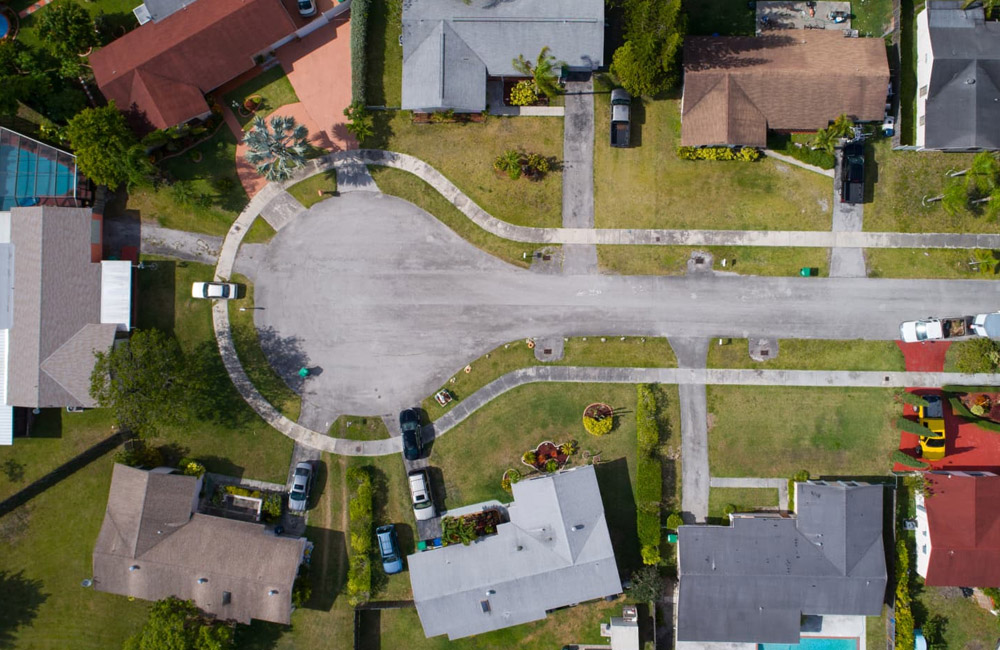
Cul-de-sacs and dead-end streets are residential streets that end in a circular turnaround or simply come to an end, limiting through traffic. These types of streets are often considered highly desirable in suburban and urban settings.
Impact on Property Value
Homes located on cul-de-sacs and dead-end streets tend to be more sought after due to the reduced traffic and enhanced privacy. These streets are particularly appealing to families with children, as they provide a safer environment for outdoor activities.
The sense of community is often stronger on cul-de-sacs and dead-end streets, as neighbors are more likely to know each other. This can further enhance the desirability of properties in these locations, driving up property values.
Example
A home situated on a cul-de-sac might sell for 5-20% more than a similar home on a busy through street. The exact premium depends on factors such as the overall layout of the neighborhood and the level of traffic on nearby streets.
Roads Near Commercial Areas
Proximity to commercial areas can significantly influence property values, depending on the type of commercial activity and its scale. While access to shops and restaurants is a perk, the associated noise and traffic can be drawbacks.
Impact on Property Value
Homes near small commercial areas with amenities like cafes, grocery stores, and boutique shops can enjoy a boost in value due to the convenience these businesses offer. However, properties adjacent to larger commercial zones with heavy traffic, such as shopping malls or industrial parks, may suffer from lower values due to increased noise, pollution, and traffic congestion.
Example
Consider two homes of similar size and design. One is located within walking distance of a small, quaint shopping area with local businesses, while the other is near a large shopping mall. The home near the local businesses might sell for a premium of up to 10%, while the one near the mall might see a reduction in value by a similar margin due to the higher levels of noise and traffic.
Impact of Future Road Developments
Future road developments can also influence property values, both positively and negatively. New road projects can improve accessibility and reduce travel times, making an area more attractive. Conversely, the construction phase can be disruptive and temporarily lower property values.

Impact on Property Value
The anticipation of improved infrastructure can boost property values as buyers and investors anticipate better accessibility and enhanced local amenities. However, during the construction phase, properties may experience a temporary dip in value due to noise, dust, and restricted access.
Example
A new highway extension is planned to improve connectivity to a suburban area. Initially, homes close to the construction site may see a decrease in value by up to 10% due to the disruption. Once the highway is completed, these same homes could appreciate by 15-20% as the improved access enhances the area’s desirability.
Mitigating Negative Impacts
There are several strategies homeowners and investors can employ to mitigate the negative impacts of being near a busy road.
Soundproofing and Landscaping
Installing soundproof windows and doors can significantly reduce the noise levels inside the home. Additionally, planting trees and shrubs can act as a natural sound barrier and improve air quality.
Fencing and Barriers
Erecting solid fences or barriers can help reduce noise and increase privacy. These additions can also enhance the property’s aesthetic appeal.
Community Advocacy
Engaging in community advocacy can lead to the implementation of traffic calming measures, such as speed bumps and better signage, which can improve the overall livability of the area.
Conclusion
The impact of roads on property values is multifaceted, influenced by factors such as noise, traffic, accessibility, and proximity to amenities. Highways and major arterial roads can offer convenience but may also bring noise and pollution, reducing property values. Residential streets, cul-de-sacs, and areas near small commercial zones generally command higher prices due to their quieter, safer environments. Future road developments can temporarily lower property values during construction but often lead to long-term appreciation once completed.
Understanding these dynamics allows prospective buyers and real estate investors to make informed decisions, balancing the pros and cons of proximity to different types of roads. By considering the specific characteristics of a location and employing strategies to mitigate negative impacts, it is possible to find and enhance properties that offer both convenience and tranquility.