
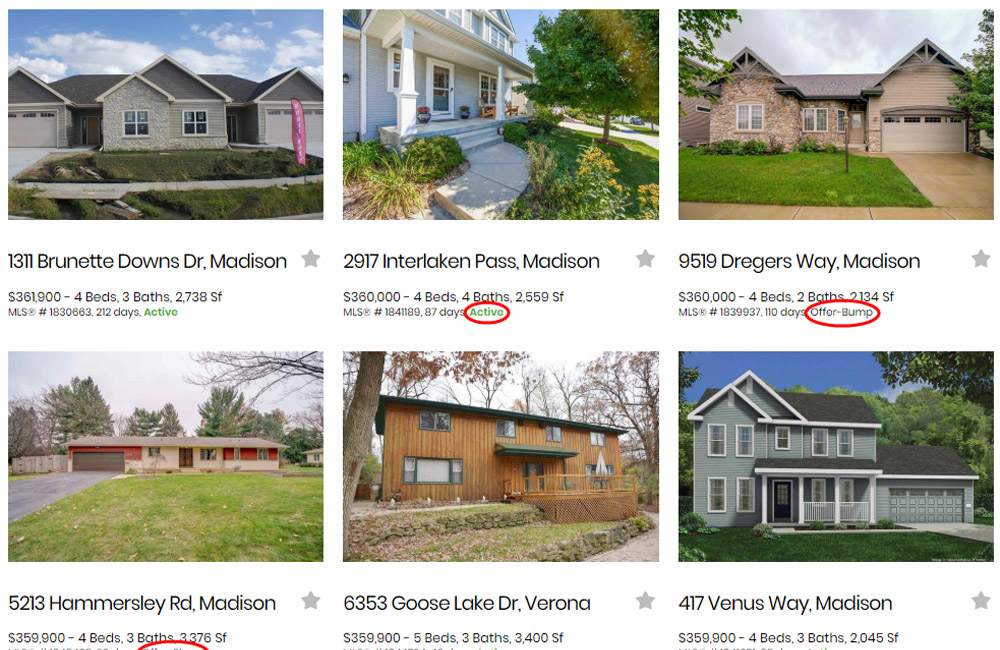
Real estate listings are the cornerstone of the property market, serving as the primary means by which sellers showcase properties to potential buyers and renters. These listings provide essential details about properties, helping buyers make informed decisions. This article explores the intricacies of real estate listings, their components, the technology behind them, and tips for both buyers and sellers to make the most of these listings.
The Basics of Real Estate Listings
A real estate listing is a detailed advertisement created by a real estate agent or homeowner to sell or rent out a property. Listings typically include a variety of information and visuals to give potential buyers or renters a comprehensive view of the property.
Components of a Real Estate Listing
- Property Description: This section includes basic information such as the type of property (house, apartment, condo), number of bedrooms and bathrooms, square footage, and lot size. It also often highlights key features like a modern kitchen, a spacious backyard, or recent renovations.
- Photographs and Videos: High-quality images and video tours are crucial. They provide a visual representation of the property, allowing potential buyers to get a sense of the space and layout.
- Location Information: This includes the property’s address, neighborhood, proximity to schools, parks, shopping centers, and public transportation.
- Price and Financial Details: The listing price, property taxes, homeowner association (HOA) fees, and any other financial considerations are clearly stated.
- Contact Information: Details for the listing agent or homeowner, including phone numbers and email addresses, are provided for potential buyers to reach out.
The Evolution of Real Estate Listings
Real estate listings have evolved significantly over the years. From simple newspaper ads to sophisticated online platforms, the way properties are marketed has transformed dramatically.
Print Media to Digital Platforms
In the past, real estate listings were primarily found in newspapers and real estate magazines. These print ads had limited space and were often less informative than today’s digital listings. Buyers had to visit multiple open houses to gather information.
The advent of the internet revolutionized real estate listings. Websites like Zillow, Realtor.com, and Redfin have made it easier for buyers to browse properties from the comfort of their homes. These platforms offer advanced search features, allowing users to filter listings by various criteria such as price range, location, and property type.
The Role of MLS
The Multiple Listing Service (MLS) is a database used by real estate professionals to share information about properties for sale. MLS listings are more detailed and accessible only to licensed real estate agents and brokers. However, these listings are often syndicated to public real estate websites, making them accessible to a broader audience.
Technological Advancements
Advancements in technology have further enhanced real estate listings. Virtual tours, 3D walkthroughs, and drone photography provide immersive experiences for potential buyers. Augmented reality (AR) and virtual reality (VR) are also becoming popular, allowing buyers to visualize themselves in the space before physically visiting.
How to Create an Effective Real Estate Listing
For sellers, creating an effective real estate listing is crucial to attracting potential buyers. Here are some tips to make a listing stand out:
Crafting a Compelling Description
The property description should be clear, concise, and engaging. Highlight the unique features and benefits of the property. Use descriptive language to create a vivid picture in the reader’s mind. For example, instead of saying “large backyard,” say “expansive backyard perfect for family gatherings and summer barbecues.”
High-Quality Visuals
Invest in professional photography. High-quality images can make a significant difference in attracting buyers. Ensure that the photos are well-lit and showcase the property’s best features. Including a video tour or a 3D walkthrough can further enhance the listing.
Accurate Pricing
Set a competitive and realistic price. Overpricing can deter potential buyers, while underpricing can leave money on the table. Consider getting a professional appraisal or consulting with a real estate agent to determine the appropriate price.
Detailed Information
Include all relevant details about the property. Potential buyers want to know about the age of the property, recent renovations, utility costs, and any included appliances or fixtures. Transparency builds trust and helps buyers make informed decisions.
Highlighting Location Benefits
Emphasize the advantages of the property’s location. Mention nearby amenities, schools, parks, and transportation options. A great location can significantly enhance a property’s appeal.
How Buyers Should Approach Real Estate Listings
For buyers, navigating through numerous listings can be overwhelming. Here’s how to effectively approach real estate listings:
Define Your Criteria
Before diving into listings, clearly define what you are looking for. Determine your budget, preferred location, and must-have features. This helps narrow down the search and makes the process more efficient.
Use Advanced Search Filters
Take advantage of the advanced search filters on real estate websites. Filter listings based on your criteria to quickly find properties that match your needs. Save your searches and set up alerts to be notified of new listings that fit your criteria.
Analyze Property Details
Read the property descriptions carefully. Look beyond the surface and consider the property’s potential. Pay attention to details like the condition of the property, the age of key systems (HVAC, plumbing, roof), and any potential maintenance issues.
Evaluate Photos and Videos
Examine the photos and videos closely. Look for signs of wear and tear, the quality of finishes, and the overall condition of the property. Virtual tours and 3D walkthroughs can provide a more comprehensive view.
Consider the Location
Research the neighborhood. Consider factors like safety, the quality of local schools, and the availability of amenities. Visit the area at different times of the day to get a sense of the environment.
Common Pitfalls in Real Estate Listings
Both buyers and sellers should be aware of common pitfalls in real estate listings:
Misleading Photos
Sometimes, photos can be misleading. Wide-angle lenses and photo editing can make spaces appear larger and more appealing than they are. It’s essential to view the property in person to get an accurate impression.
Incomplete Information
Listings with incomplete information can be frustrating for buyers. Sellers should strive to provide comprehensive details to avoid unnecessary inquiries and to attract serious buyers.
Overpricing
Overpricing a property can result in it sitting on the market for an extended period. Buyers may avoid viewing overpriced properties, thinking they are out of their budget. Sellers should price their properties realistically based on market conditions.
Hidden Issues
Some listings may not disclose critical issues like structural problems, zoning restrictions, or upcoming special assessments. Buyers should conduct thorough due diligence, including home inspections and reviewing property records, to uncover any hidden issues.
The Future of Real Estate Listings
The future of real estate listings is likely to be shaped by continued technological advancements and changing consumer preferences.
Artificial Intelligence and Machine Learning
AI and machine learning can enhance real estate listings by providing personalized property recommendations based on user behavior and preferences. These technologies can also automate and optimize pricing strategies, helping sellers set competitive prices.
Blockchain Technology
Blockchain technology has the potential to revolutionize real estate transactions by increasing transparency and security. It can streamline processes such as title transfers and property records, reducing fraud and ensuring accuracy.
Sustainability and Green Listings
As environmental awareness grows, there is likely to be an increased focus on sustainable properties. Listings may highlight eco-friendly features such as energy-efficient appliances, solar panels, and green building materials.
Enhanced Virtual Experiences
Virtual reality and augmented reality technologies will continue to evolve, providing even more immersive and realistic property tours. Buyers will be able to explore properties in detail from anywhere in the world, making the buying process more convenient and efficient.
Conclusion
Real estate listings are a vital tool in the property market, serving as the primary interface between sellers and buyers. Understanding the components of effective listings, staying updated on technological advancements, and being aware of common pitfalls can help both sellers and buyers navigate the real estate market more effectively. As technology continues to evolve, the future of real estate listings promises even greater convenience, transparency, and efficiency, transforming the way we buy and sell properties.