
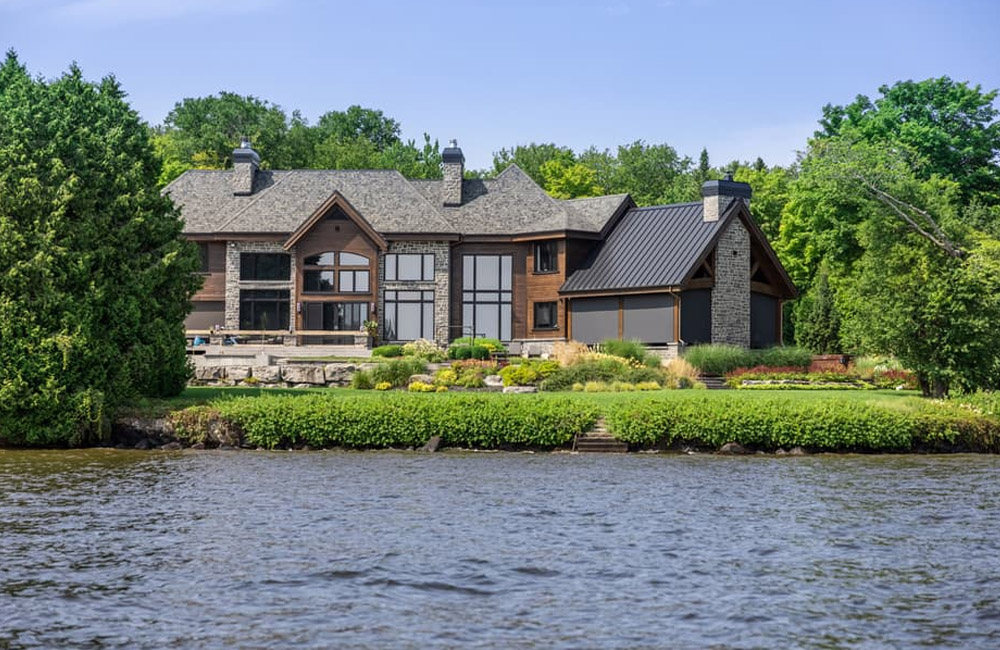
Buying property near water is a dream for many. The allure of stunning views, the sound of waves, and easy access to recreational activities can be irresistible. However, waterfront properties come with unique challenges and considerations that buyers must understand before making a purchase. This guide will help you navigate the complexities of buying waterfront real estate, ensuring that your investment is sound and that you are fully prepared for the responsibilities and joys that come with it.
The Appeal of Waterfront Living
Waterfront properties are often seen as luxurious and highly desirable. They provide a sense of tranquility and beauty that is hard to match. The views alone can be a major selling point, offering a constant, changing landscape as the water reflects the sky, seasons, and weather. Morning sunrises, evening sunsets, and the soothing sounds of water create an unmatched living experience.
In addition to the aesthetic appeal, waterfront properties often provide a range of recreational opportunities. Whether it’s swimming, boating, fishing, or simply walking along the shore, living near water offers activities that can enhance your lifestyle and well-being.
Financial Considerations
The allure of waterfront properties often translates into higher market values. These properties tend to be more expensive than their inland counterparts due to their desirable locations and limited availability. Buyers should be prepared for a higher initial investment and potentially higher property taxes, as local governments often assess waterfront properties at higher rates.
Maintenance costs can also be higher for waterfront properties. The proximity to water means that properties are more exposed to moisture, which can lead to issues like mold, rot, and rust. Saltwater properties, in particular, can suffer from salt corrosion, affecting everything from metal fixtures to building materials. Regular maintenance and possibly more frequent repairs are necessary to keep the property in good condition.
Insurance is another significant consideration. Waterfront properties are more susceptible to natural disasters such as flooding, hurricanes, and erosion. As a result, insurance premiums can be significantly higher. It’s crucial to factor in the cost of comprehensive insurance that covers these specific risks. Some areas might even require additional flood insurance, which can add to the overall cost.
Environmental and Regulatory Factors
Owning a waterfront property often comes with specific environmental and regulatory considerations. These properties are subject to strict environmental regulations aimed at preserving the natural habitat and protecting water quality. Buyers should be aware of any restrictions on building, renovating, or landscaping near the water. These regulations can vary significantly by location, so it’s essential to research local laws and consult with experts.
For example, there might be restrictions on the types of structures you can build, such as docks, seawalls, or boathouses. Certain activities that could disrupt the natural habitat, such as removing vegetation or altering the shoreline, might also be regulated. Understanding these regulations before buying is crucial to avoid future legal issues and fines.
Additionally, prospective buyers should consider the environmental impact of living near water. This includes understanding the local ecosystem and being mindful of how property maintenance and usage can affect the surrounding environment. Sustainable practices, such as using eco-friendly products and managing waste responsibly, are important for preserving the beauty and health of waterfront areas.
Lifestyle and Community
Living near water often means becoming part of a unique community. These areas can range from bustling tourist destinations to serene, secluded spots. It’s essential to understand the nature of the community and its seasonal dynamics. In tourist-heavy areas, there might be a significant influx of visitors during peak seasons, which can affect noise levels, traffic, and privacy.
Conversely, more remote locations might offer peace and solitude but could lack essential services and amenities. Consider the availability of healthcare, shopping, dining, and entertainment options. Access to these services can significantly impact your quality of life, especially if the property is a primary residence.
Moreover, waterfront communities often have a strong sense of identity and camaraderie. Neighbors might share common interests, such as boating or fishing, fostering a close-knit community atmosphere. Participating in local activities and respecting community norms and traditions can enhance your living experience.
Practical Considerations
Before purchasing a waterfront property, there are several practical considerations to keep in mind. First, it’s essential to have a thorough inspection of the property. This inspection should go beyond the standard home inspection to include specific checks for issues related to water exposure, such as foundation integrity, moisture levels, and potential erosion problems.
Next, consider the property’s accessibility. Ensure that the roads leading to the property are well-maintained and accessible year-round. In some cases, waterfront properties can be located in areas with limited access, which can pose challenges during extreme weather conditions or emergencies.
It’s also important to think about the long-term sustainability of the property. Evaluate the risk of shoreline erosion and rising water levels. Climate change can exacerbate these issues, potentially affecting the property’s value and usability in the future. Consulting with environmental experts and reviewing historical data on water levels and erosion can provide valuable insights.
Another practical aspect is the availability of utilities and services. Check whether the property has reliable access to electricity, water, sewage, and internet services. In some remote locations, you might need to invest in alternative solutions, such as septic systems or satellite internet, which can add to the overall cost.
Finally, consider the potential for rental income if you’re buying the property as an investment. Waterfront properties can be highly attractive to vacation renters, providing a lucrative income stream during peak seasons. However, managing a rental property comes with its own set of challenges, including maintenance, guest management, and ensuring compliance with local rental regulations.
Making an Informed Decision
Buying a waterfront property is a significant investment that requires careful consideration and planning. By understanding the unique challenges and opportunities associated with waterfront living, you can make an informed decision that aligns with your financial goals and lifestyle preferences.
Start by clearly defining your priorities and budget. Determine what aspects of waterfront living are most important to you, whether it’s the view, recreational opportunities, or being part of a waterfront community. This will help you narrow down your options and focus on properties that meet your needs.
Next, conduct thorough research on the locations you’re interested in. Visit the areas in different seasons to get a sense of the year-round living conditions. Talk to locals and real estate professionals to gain insights into the community and market trends.
When you find a property you’re interested in, work with experienced professionals to guide you through the process. A real estate agent specializing in waterfront properties can help you navigate the complexities of the market. Additionally, hiring an inspector with experience in waterfront properties is crucial to identify potential issues that might not be apparent in a standard inspection.
Consulting with legal and environmental experts can also provide valuable guidance. They can help you understand the regulatory landscape, environmental risks, and long-term sustainability of the property.
Finally, consider the long-term implications of owning a waterfront property. Be prepared for higher maintenance and insurance costs, and plan for the potential impact of climate change. By taking a comprehensive and informed approach, you can enjoy the many benefits of waterfront living while mitigating the associated risks.
Conclusion
Waterfront properties offer unparalleled beauty and lifestyle benefits, but they come with unique challenges that require careful consideration. Understanding the financial, environmental, and practical aspects of owning a waterfront property is essential for making a wise investment. By conducting thorough research, seeking professional advice, and planning for the long term, you can ensure that your waterfront property provides joy and value for years to come.