
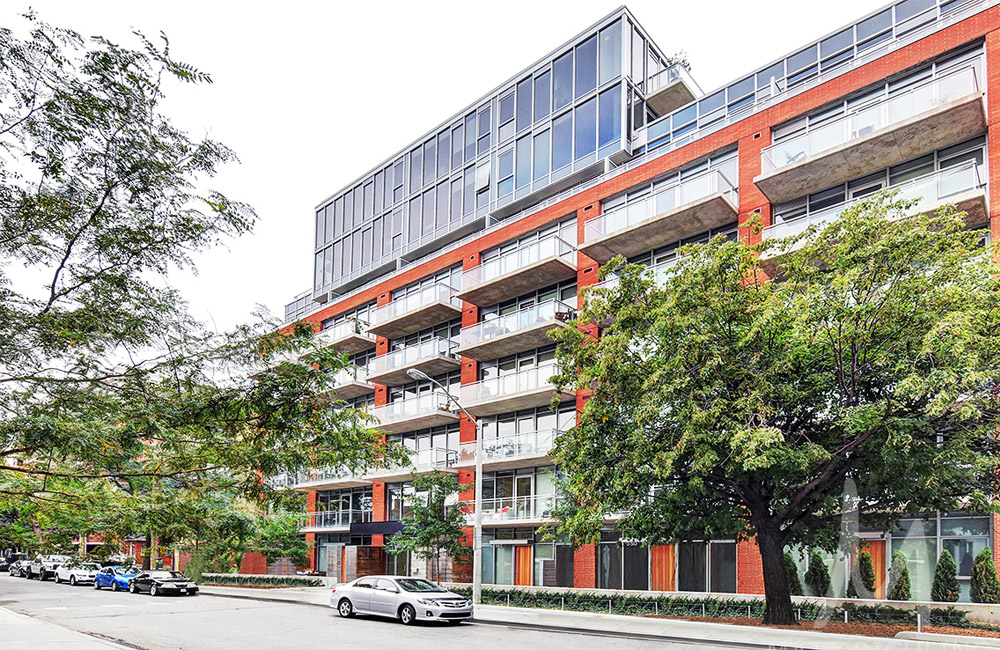
When it comes to buying an apartment, numerous factors influence the price. Among these, the floor level and specific location within the building play crucial roles. These elements can significantly affect not just the market value of the property but also its desirability and overall appeal. In this discussion, we’ll delve into how these factors come into play and what buyers and investors should consider.
The Significance of Floor Level
The floor level of an apartment is often a primary consideration for potential buyers. This preference stems from several advantages associated with higher floors, including better views, more natural light, increased privacy, and reduced noise.
Views and Privacy
One of the most obvious benefits of higher floors is the view. Apartments situated on the upper levels of a building often provide panoramic vistas that can range from city skylines to serene landscapes. These views are highly coveted, especially in urban areas where lower-floor apartments might only offer glimpses of the street or neighboring buildings.
Privacy is another significant factor. Higher floors typically afford more seclusion from the hustle and bustle below. Street noise diminishes, and the likelihood of passersby peering into windows decreases. This added privacy can enhance the living experience, making higher-floor units more desirable and, consequently, more expensive.
Natural Light and Ventilation
Apartments on higher floors generally receive more natural light compared to those on lower floors. Enhanced sunlight can make a living space feel more open and inviting, positively influencing a buyer’s perception and willingness to pay a premium. Furthermore, higher floors benefit from better ventilation. The increased airflow helps maintain a fresh and comfortable environment, adding to the property’s appeal.
Example: In a high-rise building in Manhattan, a penthouse suite with unobstructed views of Central Park will command a significantly higher price than an apartment on the second floor. This price difference can be attributed to the superior views, enhanced natural light, and greater privacy.
Specific Location Within the Building
The specific location of an apartment within a building also impacts its price. Factors such as proximity to elevators, corner unit status, and orientation can all play crucial roles in determining value.
Proximity to Elevators and Stairs
Being close to elevators or stairs can offer convenience, especially in taller buildings where residents might otherwise face long walks to their units. This convenience can make these apartments more attractive to certain buyers, particularly those with mobility issues or those who value quick access to their home.
However, there are trade-offs. Apartments near elevators might also experience more noise due to foot traffic and the sound of the elevator operating. Similarly, units next to stairwells might hear people using the stairs, especially in emergencies. While some buyers might overlook these inconveniences for the sake of convenience, others might consider them significant drawbacks.
Corner Units
Corner units often carry a premium due to their unique advantages. These units usually have more windows, allowing for additional natural light and better cross-ventilation. The extra exposure can make the space feel larger and more open. Corner units also typically offer more privacy, sharing fewer walls with neighbors.
Example: A corner unit in a high-rise building in downtown Chicago, with expansive windows and views in multiple directions, might be priced higher than a similar-sized unit that is not on the corner. The added light, views, and privacy contribute to this price difference.
Orientation and Exposure
The direction an apartment faces can significantly influence its appeal. South-facing apartments in the Northern Hemisphere, for instance, receive more sunlight throughout the day. This continuous light can keep the apartment warm and well-lit, reducing the need for artificial lighting and heating. Conversely, north-facing apartments might be cooler and darker, which could be less desirable in colder climates but preferable in hotter regions.
Orientation also affects the types of views available. An apartment with a south-facing balcony overlooking a park will likely be more valuable than one with a north-facing view of a parking lot.
Example: In a coastal city like Miami, an east-facing apartment with morning sunlight and ocean views will be more sought after than a west-facing unit overlooking the city. The preference for natural light and scenic views can drive up the price of the east-facing unit.
Practical Considerations for Buyers and Investors
Understanding how floor level and specific location within a building impact price is crucial for making informed decisions in the real estate market. Here are some practical tips for navigating these considerations:
Prioritize Preferences
Buyers should identify what aspects are most important to them, whether it’s the view, natural light, privacy, or convenience. This prioritization helps in narrowing down choices and focusing on properties that meet personal preferences and lifestyle needs.
Visit the Property
While online listings provide a good starting point, visiting the property in person is essential. Photos can be deceiving, and the actual experience of the space—its light, sound, and feel—can only be gauged in person. This visit can also help assess potential drawbacks like noise from nearby elevators or limited sunlight in lower-floor units.
Research Market Trends
For investors, understanding local market trends is vital. Research which features drive prices in the specific area of interest. In some markets, higher floors may command a premium, while in others, the layout and size of the unit might be more important.
Evaluate Rental Potential
Investors should also consider the rental potential of the property. Units with desirable features, such as good views and convenient locations, often attract higher rents and stable occupancy rates. Assessing the demand for these features in the rental market can guide investment decisions.
Assess Maintenance and Costs
Higher-floor units might come with higher maintenance costs, especially in high-rise buildings. Consider these costs in the overall investment calculation. Maintenance of elevators, increased wear and tear from foot traffic, and potential additional charges for services like window cleaning in high-rise buildings should all be factored in.
Conclusion
The floor level and specific location within a building significantly impact the price of an apartment. Higher floors generally offer better views, more privacy, and reduced noise, making them more desirable and expensive. The specific location within the building—such as proximity to elevators, corner unit status, and orientation—also plays a crucial role in determining the apartment’s value.
By understanding these factors, buyers and investors can make more informed decisions and identify properties that best meet their needs and investment goals. Whether you’re purchasing for personal use or as an investment, considering these aspects carefully can ensure that you make the most of your real estate purchase.