

The short-term rental market, popularized by platforms like Airbnb and VRBO, has become a lucrative business model for property owners and investors. It offers the potential for higher returns compared to traditional long-term rentals. However, despite its appeal, the short-term rental business is fraught with challenges and pitfalls that can impact profitability and sustainability. Understanding these pitfalls is crucial for anyone considering entering this market.
Regulatory Challenges
One of the most significant hurdles in the short-term rental business is navigating the complex and often stringent regulatory landscape. Regulations vary widely by location and can change rapidly, making it difficult for hosts to stay compliant.
Example: In major cities like New York and San Francisco, stringent regulations have been implemented to control the proliferation of short-term rentals. These regulations may include restrictions on the number of days a property can be rented out, requirements for obtaining permits, and even outright bans in certain areas. Failure to comply can result in hefty fines and legal issues, deterring many potential hosts from entering the market.
Staying updated on local regulations is essential. Hosts must frequently check city websites or consult with legal experts to ensure they are not inadvertently violating any laws. This regulatory uncertainty can create a significant barrier to entry and ongoing operational risk.
High Operational Costs
Running a short-term rental property involves more than just listing it online and welcoming guests. The operational costs can be substantial and often higher than those for long-term rentals.
Maintenance and Cleaning: Short-term rentals require frequent cleaning and maintenance to meet the high standards expected by guests. Unlike long-term tenants, short-term guests expect hotel-like cleanliness and amenities. This means higher expenses for professional cleaning services, regular restocking of essentials, and timely maintenance to keep the property in top condition.
Utilities and Supplies: The cost of utilities such as water, electricity, and internet can be significantly higher for short-term rentals due to the turnover of guests. Additionally, providing amenities like toiletries, coffee, and kitchen supplies adds to the operational costs.
Insurance: Short-term rental properties often require specialized insurance policies that cover the unique risks associated with transient guests. These policies can be more expensive than standard homeowner’s insurance, further increasing the cost of running a short-term rental.
Market Saturation and Competition
The popularity of short-term rentals has led to market saturation in many desirable locations. Increased competition can drive down nightly rates and occupancy rates, affecting profitability.
Example: In tourist-heavy cities such as Barcelona and Paris, the number of short-term rental listings has exploded. This saturation means that hosts must compete fiercely for bookings, often leading to price wars and reduced margins. Moreover, the presence of numerous similar listings can make it challenging to stand out, requiring additional investment in marketing and unique amenities to attract guests.
Unpredictable Income
Unlike long-term rentals, which provide a steady monthly income, the revenue from short-term rentals can be highly unpredictable. This variability is influenced by factors such as seasonality, local events, and economic conditions.
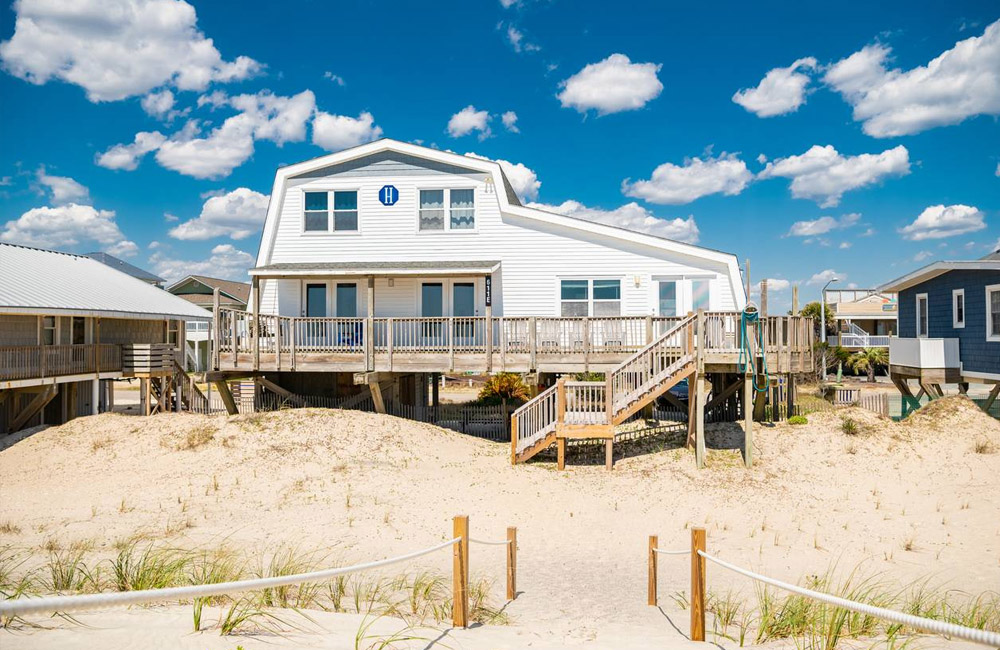
Seasonality: Many short-term rental markets experience significant fluctuations in demand based on the time of year. For example, a beach house may see high occupancy during the summer months but struggle to attract guests in the off-season. This seasonality requires careful financial planning to ensure that income during peak periods can cover expenses during slower times.
Local Events: Events such as festivals, conferences, and sporting events can temporarily boost demand for short-term rentals. However, relying too heavily on such events can be risky, as their occurrence and impact can vary year to year.
Economic Conditions: Economic downturns can lead to decreased travel and tourism, directly impacting the short-term rental market. The COVID-19 pandemic is a stark reminder of how external factors can drastically affect occupancy rates and revenue.
Guest Management and Hospitality
Providing a consistent and high-quality guest experience is crucial in the short-term rental business. However, managing guest interactions and maintaining hospitality standards can be time-consuming and challenging.
Guest Communication: Effective communication with guests is essential for ensuring a smooth check-in and check-out process, addressing any issues during their stay, and receiving positive reviews. This requires being available around the clock, which can be demanding, especially for hosts managing multiple properties.
Hospitality Standards: Meeting guests’ expectations involves providing a clean, comfortable, and well-equipped space. Any lapses in service, such as delayed responses to issues or subpar cleanliness, can result in negative reviews that harm the property’s reputation and future bookings.
Financial Management and Taxes
Managing the finances of a short-term rental property involves more than just tracking income and expenses. It requires a thorough understanding of tax implications and financial planning.
Taxes: Short-term rental income is subject to various taxes, including income tax, occupancy tax, and potentially sales tax, depending on the location. Navigating these tax requirements can be complex and may require the assistance of a tax professional. Failing to comply with tax regulations can result in penalties and interest charges.
Financial Planning: Proper financial management involves budgeting for ongoing expenses, setting aside funds for maintenance and emergencies, and planning for tax payments. Hosts must also account for platform fees (such as those charged by Airbnb or VRBO), which can eat into profits.
Security and Liability Concerns
The transient nature of short-term rentals introduces unique security and liability risks that must be managed effectively.
Property Damage: Guests may cause damage to the property, whether accidentally or intentionally. While platforms like Airbnb offer some level of protection through their host guarantee programs, these may not cover all types of damage or provide sufficient compensation.
Liability Issues: Hosting short-term guests involves liability risks, such as injuries occurring on the property. Hosts must ensure their insurance policies cover such liabilities and take steps to mitigate risks, such as installing smoke detectors, providing clear instructions for appliances, and maintaining the property in good condition.
Technology and Automation
Leveraging technology can help streamline operations and improve the guest experience, but it also requires an investment in time and money.
Automation Tools: Various tools are available to help automate tasks such as guest communication, booking management, and pricing optimization. While these tools can save time and improve efficiency, they also come with costs and a learning curve.
Smart Home Technology: Implementing smart home devices, such as keyless entry systems, smart thermostats, and security cameras, can enhance the guest experience and improve property management. However, these technologies require an initial investment and ongoing maintenance.
Conclusion
The short-term rental business model offers the potential for high returns, but it is not without its challenges. Navigating regulatory complexities, managing high operational costs, competing in saturated markets, and dealing with unpredictable income are just a few of the hurdles hosts must overcome. Additionally, providing consistent hospitality, managing finances and taxes, addressing security concerns, and leveraging technology are crucial for success in this competitive market.
By understanding these pitfalls and implementing strategies to mitigate them, hosts can enhance their chances of building a successful and sustainable short-term rental business. Whether you’re a seasoned investor or a newcomer to the market, being aware of these challenges and proactively addressing them is key to thriving in the dynamic world of short-term rentals.